Blog
Articles on longevity, preventive medicine and wellbeing.

Grip Strength Test: What a Hand Dynamometer Measures and How to Read Your Result
Grip strength is a quick measure of muscular function, not a longevity clock. Here is how to test it, interpret clinical cut-offs and decide when a result needs attention.

Insulin Resistance: What It Means, How It Is Measured and What Actually Helps
Insulin resistance is not diagnosed from fatigue or one HOMA-IR result. This guide explains which tests change decisions and how to build a measurable plan.
What Semen Can Tell You About a Man's Health
A semen analysis may open questions about testicular health, hormones, medicines and exposures. It is neither a fertility verdict nor a longevity test.
Can a Multivitamin Slow Biological Age? What COSMOS Measured—and What It Did Not
COSMOS found a small shift in two of five epigenetic clocks after two years. Here is the effect size, the limits and when supplementation answers a real nutritional need.

Cardiac Rehabilitation: Much More Than Exercise After a Heart Attack
Cardiac rehabilitation combines prescribed exercise, medication review, nutrition, psychological support and risk-factor control. Learn when to start, how long it lasts and how it changes with age or frailty.
Vaccination and Heart Health: What the Flu Vaccine Really Prevents
Influenza can trigger a heart attack or destabilise heart disease. Here is the size of the vaccine effect, who is eligible in Spain and what vaccination cannot promise.
uACR and eGFR: Two Tests That Reveal Hidden Kidney and Cardiovascular Risk
A normal creatinine does not rule out albuminuria. Learn how to read uACR and eGFR together, when to repeat them, and what a persistent result may change.

Statins After 70: What the STAREE Trial Changes
STAREE found fewer cardiovascular events with atorvastatin in independent adults over 70 without cardiovascular disease, but no longer disability-free survival. The decision remains individual.
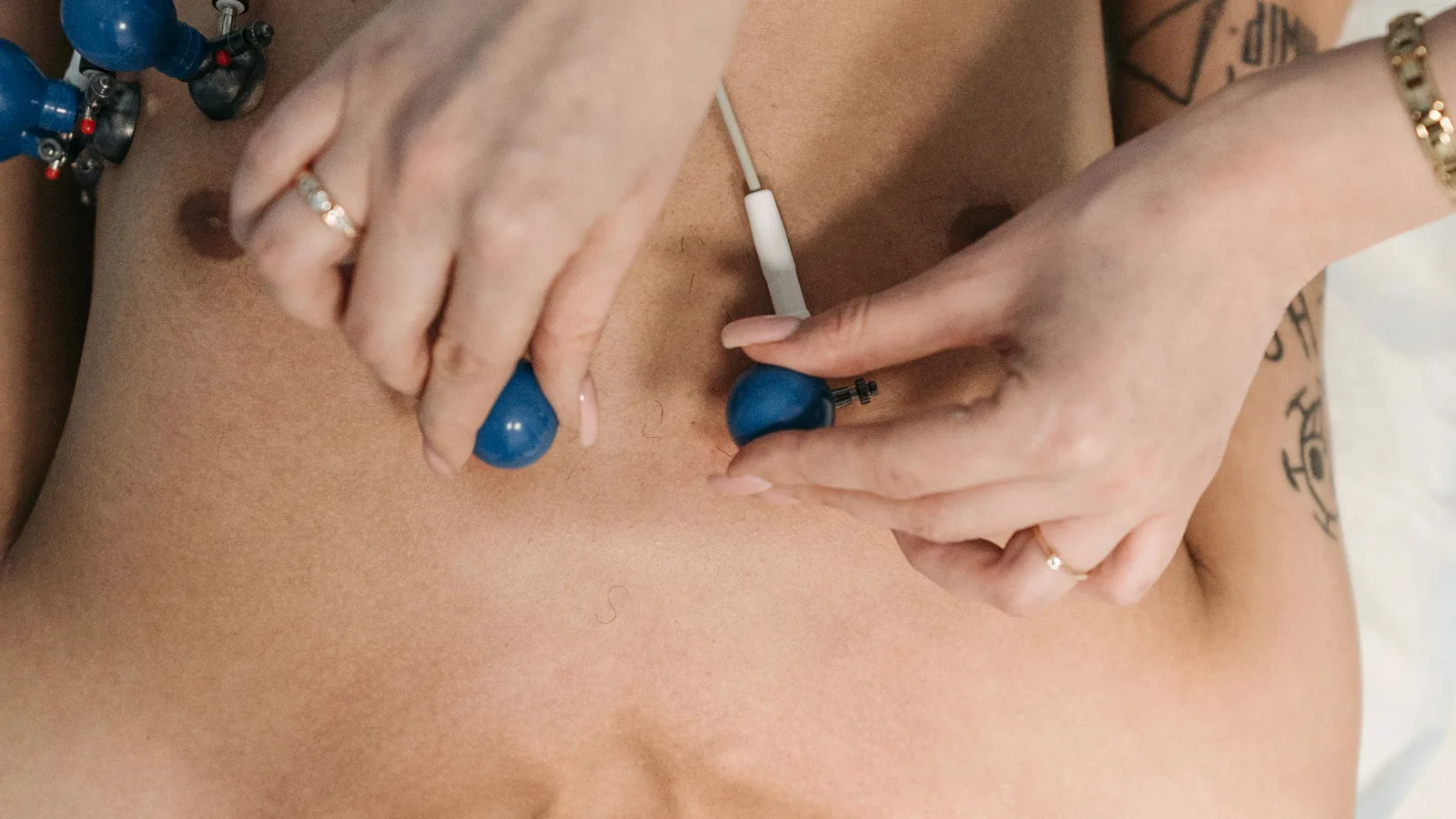
Silent Atherosclerosis in Young Adults: What the REACT Study Changes—and What It Does Not
REACT detected silent atherosclerosis in about 1 in 13 participants aged 18–29. The finding supports earlier prevention, not a coronary CT scan for everyone.
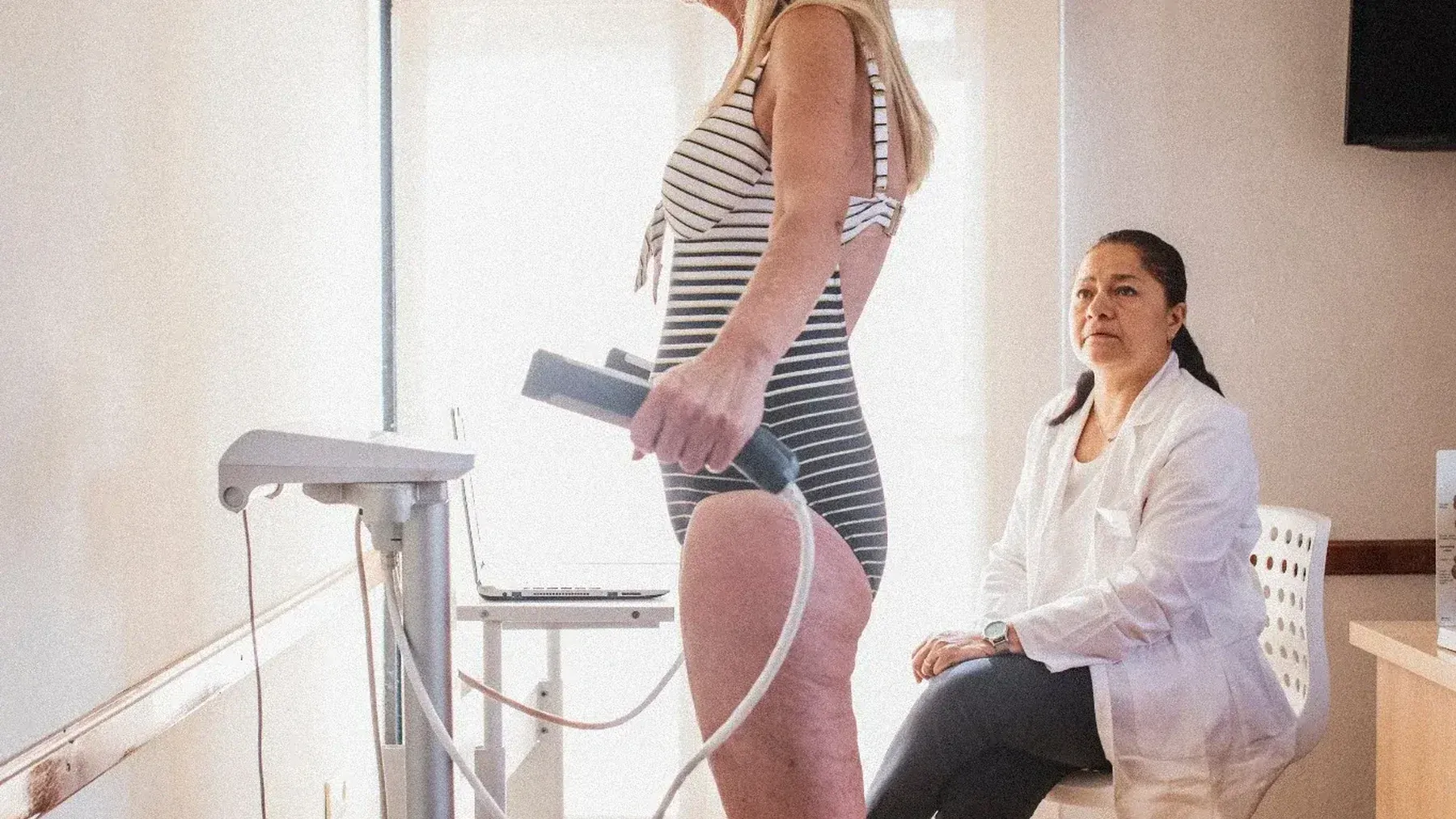
Does a Stroke Warn You? Symptoms You Should Never Ignore and Risk You Can Detect
Stroke usually begins suddenly, but a TIA can be a brief warning that disappears. Learn which signs require emergency care and which silent risks can be managed earlier.

When Everything You Eat Upsets Your Stomach: How to Find the Cause Without Blaming Your Microbiome
Pain, bloating or fullness after every meal does not mean you are intolerant to everything. Use this clinical map to choose useful tests and spot red flags.

Low Testosterone After 50: When It Is Hypogonadism—and When It Is Not
Fatigue and one low result do not establish hypogonadism. Learn how two morning tests, reversible causes, fertility and realistic TRT benefits shape the decision.

From ‘I Cannot Keep Going’ to Returning With a Plan: A Progevita Experience
She arrived exhausted by a life that never seemed to pause. Days later, the same life was waiting, but she returned with more calm, a plan and a team behind her.
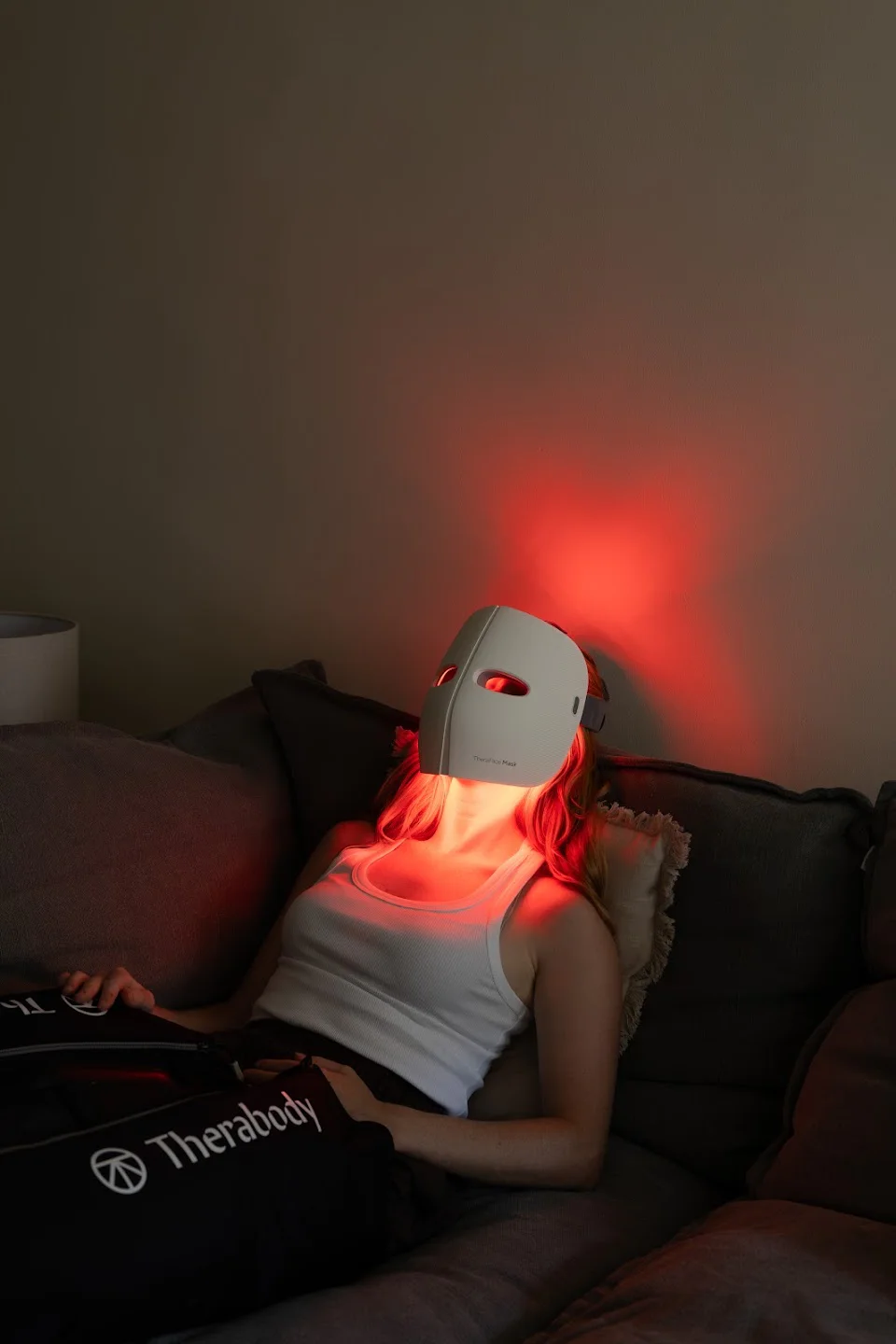
Red Light Therapy: Real Benefits, Dose, Risks and Limits
One panel cannot do everything. Updated evidence on skin, hair, pain and sleep, why minutes alone do not define dose, and what to check before buying a device or booking a session.

Stem Cells and Exosomes: What Is Approved and What Is Not
Real cell therapies treat specific diseases. This guide separates an approved product, a legitimate trial and an anti-aging offer without demonstrated benefit.

How Many Steps a Day? 7,000, 10,000 and Your Baseline
You do not need 10,000 steps to gain benefits. The largest improvement usually comes from leaving a low baseline behind; 7,000 is a useful reference, not a daily test.

CGM Without Diabetes: What It Can and Cannot Tell You
A sensor can help answer one specific question, especially with prediabetes or metabolic risk. It can also turn a normal fluctuation into an unnecessary alarm.

Shingles Vaccine and Dementia: What We Actually Know
Vaccination is associated with fewer dementia diagnoses, but Shingrix is not an Alzheimer’s vaccine. Here is what the signal means and which decision it changes today.

Sleep Regularity and Stages: Can You Recover a Bad Night?
One short night will not ruin your health, but a weekend lie-in does not always erase it. Learn what to prioritize, how sleep stages work and how to reset without chasing perfection.
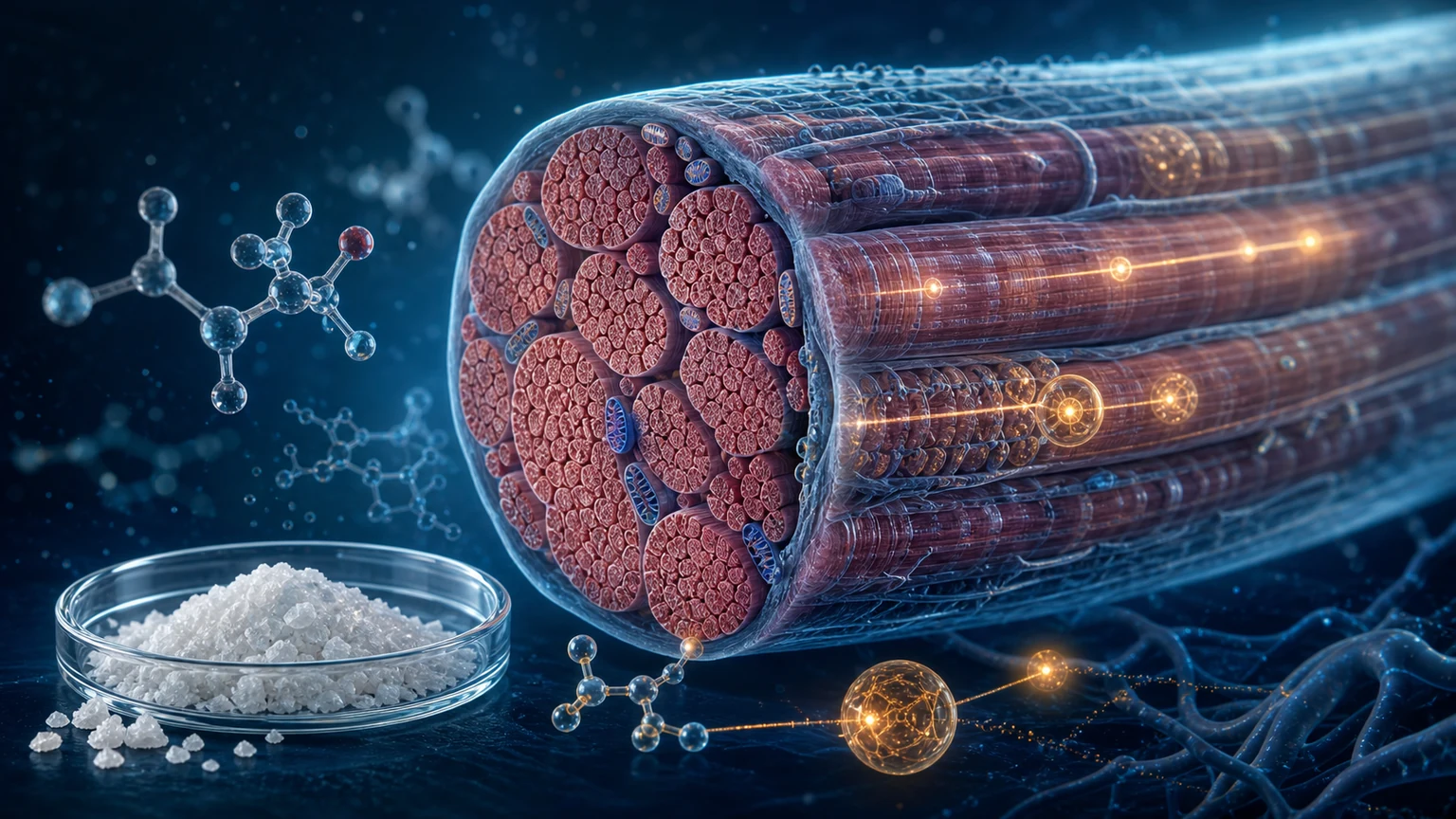
Creatine After 50: What Should You Really Expect?
Creatine can add a small boost to resistance training, but it does not replace lifting or treat brain fog. Here is a practical guide to dose, results and interpreting creatinine.

Sleep problems: what to check before considering medication
Poor sleep does not always mean insomnia. Learn how to sort timing, symptoms, sleep apnoea, restless legs, CBT-I and medication with a simple sleep diary.
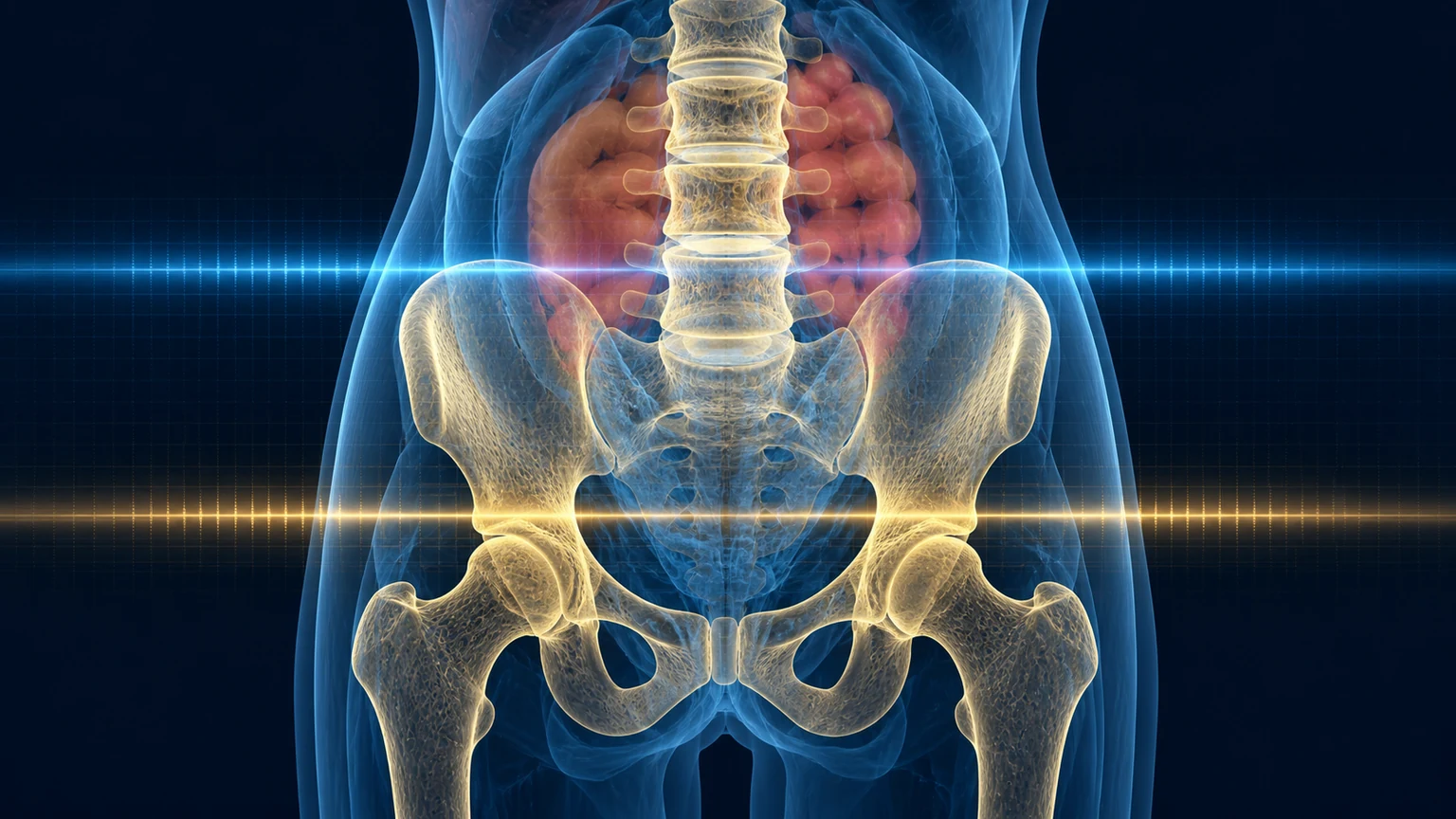
DEXA scan: how to read bone, lean mass and visceral fat results
A DEXA scan may measure bone mineral density or estimate body composition. Learn how to read T-scores, Z-scores, lean mass and visceral fat without turning every decimal into a diagnosis.

Can lifestyle help prevent dementia? What we know in 2026
Lifestyle may reduce part of dementia risk, but it cannot guarantee prevention or reverse Alzheimer's. Learn what to prioritise without promises, blame or impossible lists.

Multi-cancer blood tests: what they can tell you and what they cannot
One blood draw may look for signals from several cancers, but a positive is not a diagnosis and a negative does not rule cancer out. Here is what to ask before paying.

Organ age tests: what the result really means
A protein panel may estimate whether an organ looks older or younger than average. Learn what that age gap means, what it cannot diagnose and how to avoid chasing a score.
Full-body MRI: what it may find and what happens next
It may reveal an important lesion without radiation, but it can also start a cascade around uncertain findings. The key is knowing which decision the result will change.

Coronary calcium score: when it clarifies a decision and when it does not
CAC can be a useful tie-breaker when cardiovascular risk remains uncertain. If the result will not change the plan, the CT scan probably adds little.
Chronic symptoms without a diagnosis: a map forward without endless testing
A folder of normal results does not invalidate what you feel. Progress usually starts by rebuilding the story, ranking hypotheses and agreeing the next step.

Longevity Peptides: BPC-157, MOTS-C, TB-500 and What We Still Do Not Know
BPC-157, MOTS-C and TB-500 sound promising, but none has been shown to extend healthspan. We separate human data, hypotheses, regulation and risk.

Longevity Treatments: What Works, What Is Promising and What Is Hype
No therapy has been shown to slow human aging. Some interventions do reduce disease and disability. This map helps keep those claims separate.

Alzheimer’s Blood Test: What p-tau217 Measures and Who It Is Really For
p-tau217 can identify Alzheimer biology accurately in people with cognitive impairment. It is not general screening and cannot explain a memory complaint alone.

Omega-3 and biological aging: what actually changed in DO-HEALTH
DO-HEALTH found a small shift in several epigenetic clocks. Here is what it means, what it does not prove, and how to think about omega-3, vitamin D and exercise without being carried away by the headline.

Microplastics in the brain: what we know and what you can do
Microplastics have been reported in human brain tissue, but exact amounts and clinical harm remain unsettled. A calm guide to the evidence and practical ways to reduce exposure.

p16 and senescence: what changes after the antibody problem
Several studies confused p16INK4a with p16-ARC by using the wrong antibody. Here is what needs rechecking, why senescence biology still stands and what this means for senolytics.

Longevity Diet, Methionine and GLP-1: A Guide Without Shortcuts
A new Cell Metabolism study links a methionine-adjusted longevity diet with GLP-1, FGF21 and lower frailty in mice. The clinical takeaway is not to copy a mouse diet, but to protect muscle, bone and metabolism with measurement.

Rapamycin for Longevity: What We Know Before Calling It a Biohack
Rapamycin extends lifespan in mice, but no trial has shown the same in humans. A clear guide to PEARL, RAPA-EX-01, mTOR and the risks of turning a hypothesis into a prescription.

Longevity Drugs: What Nature Aging Actually Found
A study linked thousands of genes, hallmarks and medicines to prioritize new research. We explain SHARP, pAGE and why 21 computational signals are not 21 anti-aging treatments.
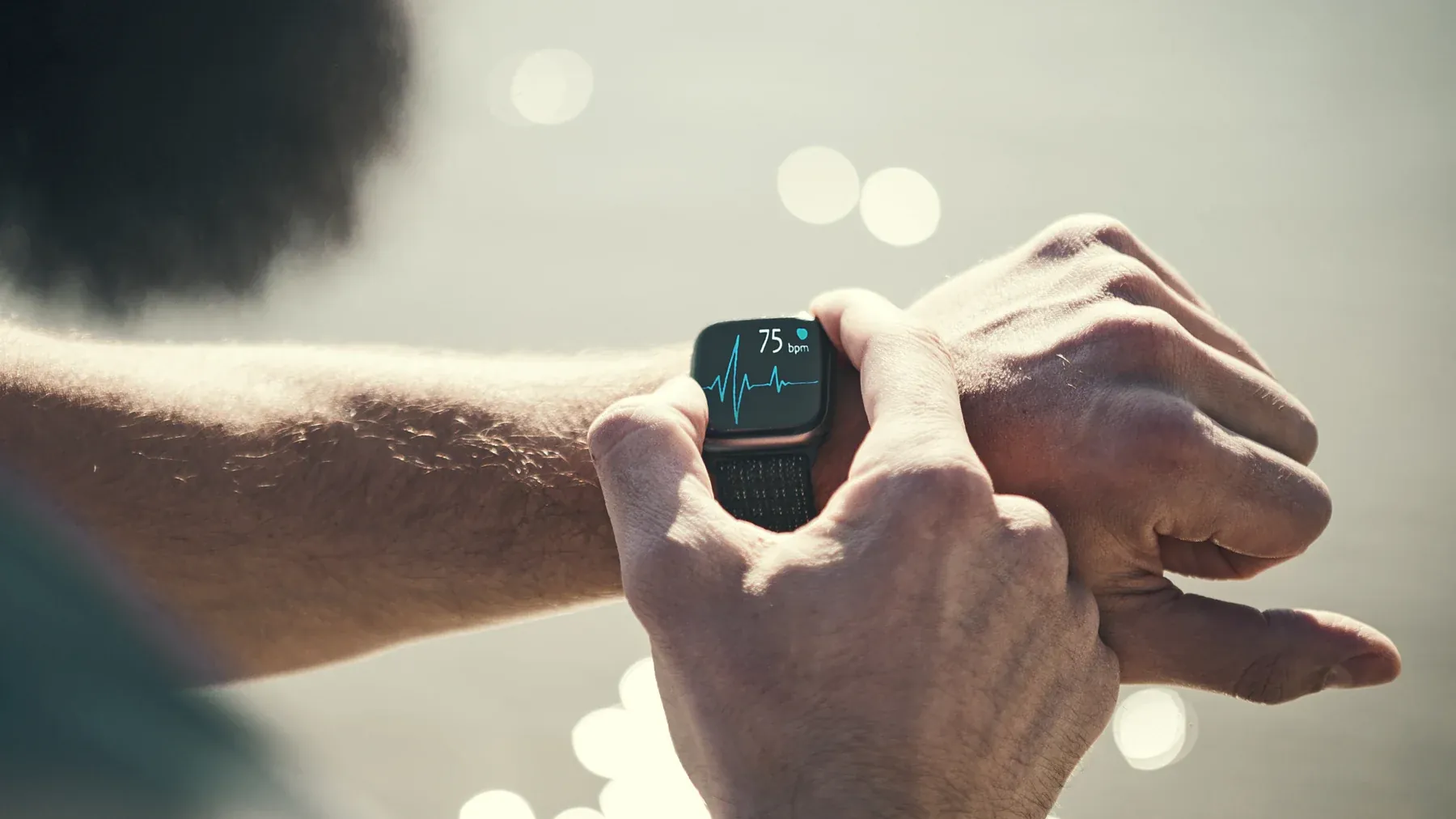
DunedinPACE and aging speed: how to read a 0.57x result
A 0.57x result does not mean living almost twice as long. Here is what DunedinPACE measures, why it can change and when repeating it may be useful.
Midjourney's body scanner: what we know and what remains unproven
The prototype promises a full-body ultrasound scan in about 60 seconds. We separate the demo, the science of the field and the evidence still missing.

Natural light at work: sleep, fatigue and circadian rhythm
An office can be bright enough for work and still give the body clock a weak day signal. What to measure by day, reduce at night and make of the new heart findings.

Menopause at Work: Useful Support Without Invading Privacy
Menopause can affect sleep, concentration or comfort during the working day. This guide explains how to offer support without diagnosing, labelling or requesting intimate details.

Longevity Clinics in Europe: How to Compare Them Well
There is no single best clinic for everyone. This guide compares public approaches and helps you ask about tests, indications, total cost, safety and follow-up before booking.

Longevity Clinic in Spain: How to Choose in Valencia or Madrid
A neutral guide to comparing longevity clinics in Spain, Valencia and Madrid: authorization, team, tests, follow-up and warning signs.

Osteoarthritis, Arthritis and Joint Pain: What You Can Prevent
Not all joint pain is arthritis, and not every arthritis can be prevented. Learn to recognise patterns, dose movement and know when to seek care promptly.
Sedentary Lifestyle: How to Start Moving Without Making It Another Chore
You do not need to go from zero to athlete. Learn how sitting differs from inactivity, build a minimum week and choose measurements that change decisions.
Sports Recovery After 40: Read Fatigue Without Training in Fear
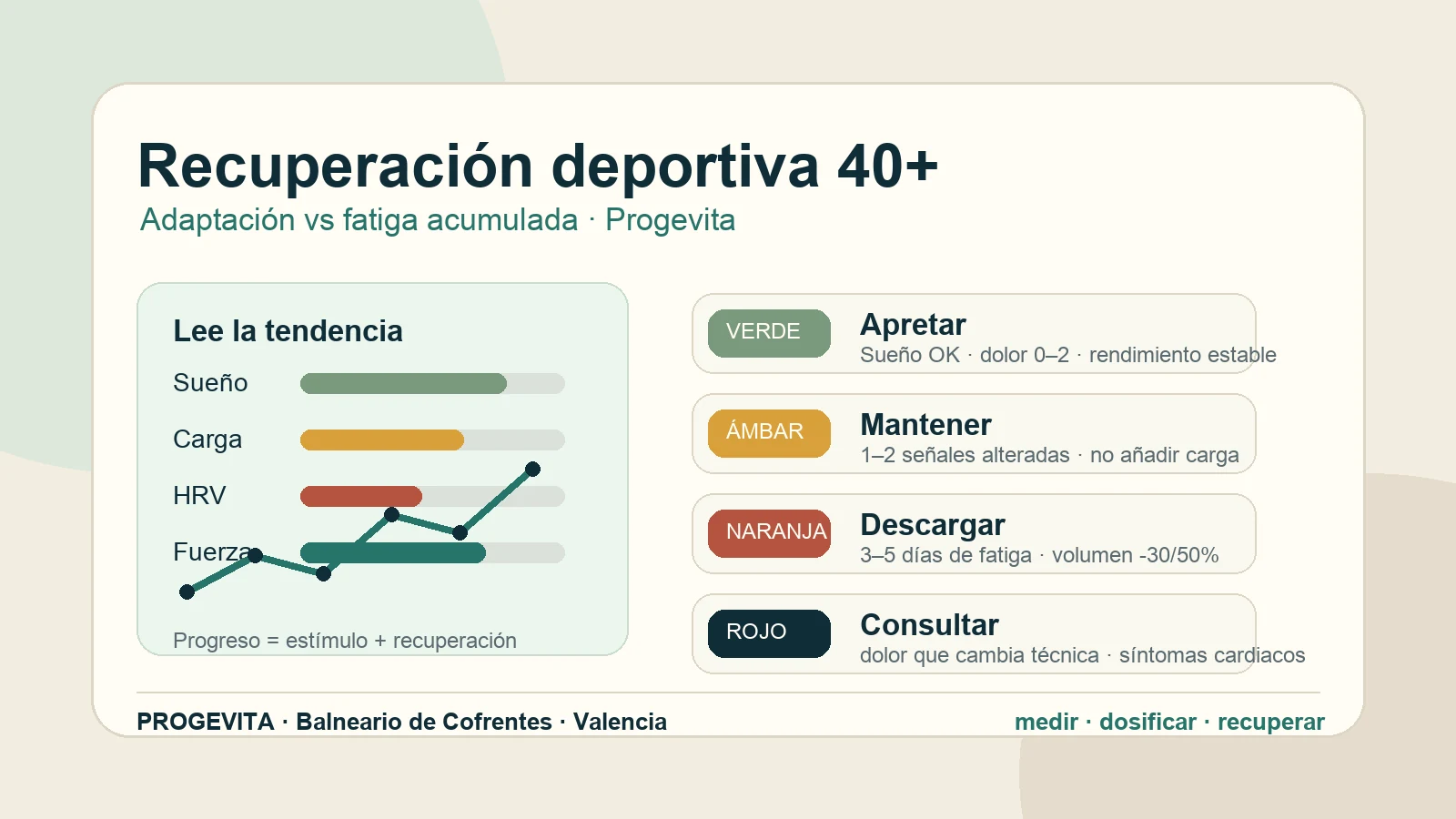
Turning 40 does not flip a switch. Learn to separate normal fatigue, poorly tolerated load, injury and medical causes without obeying every wearable reading.
Perimenopause Brain Fog: What Is Common and What to Check
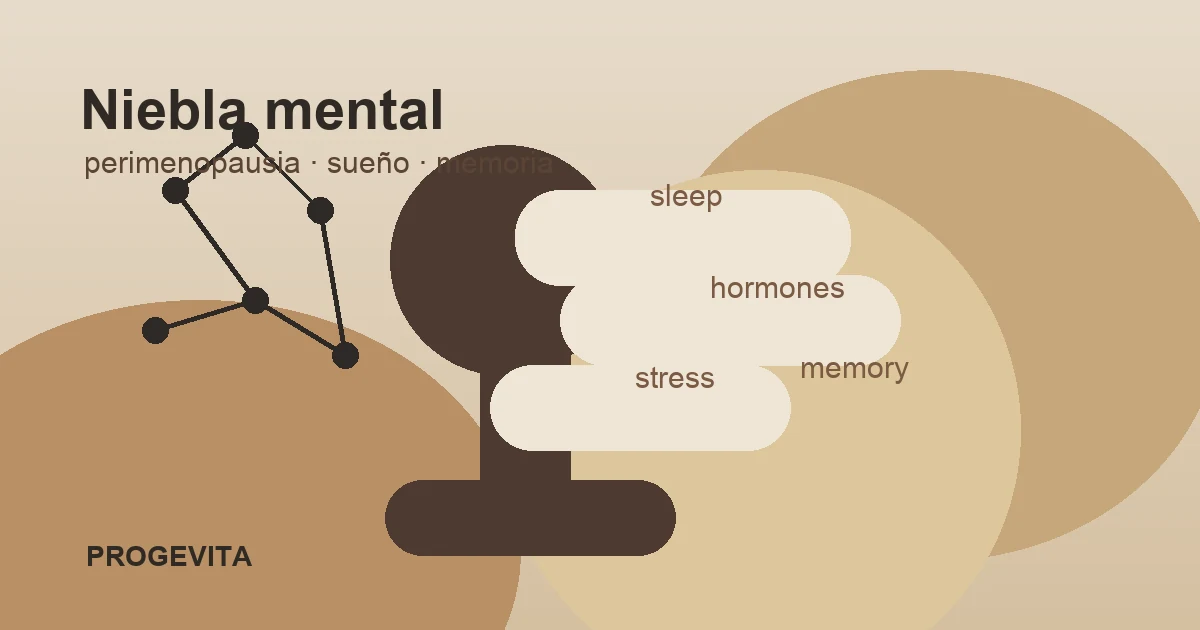
Losing a word or your train of thought can feel frightening. What we know about perimenopause brain fog, what to review and when to seek care.
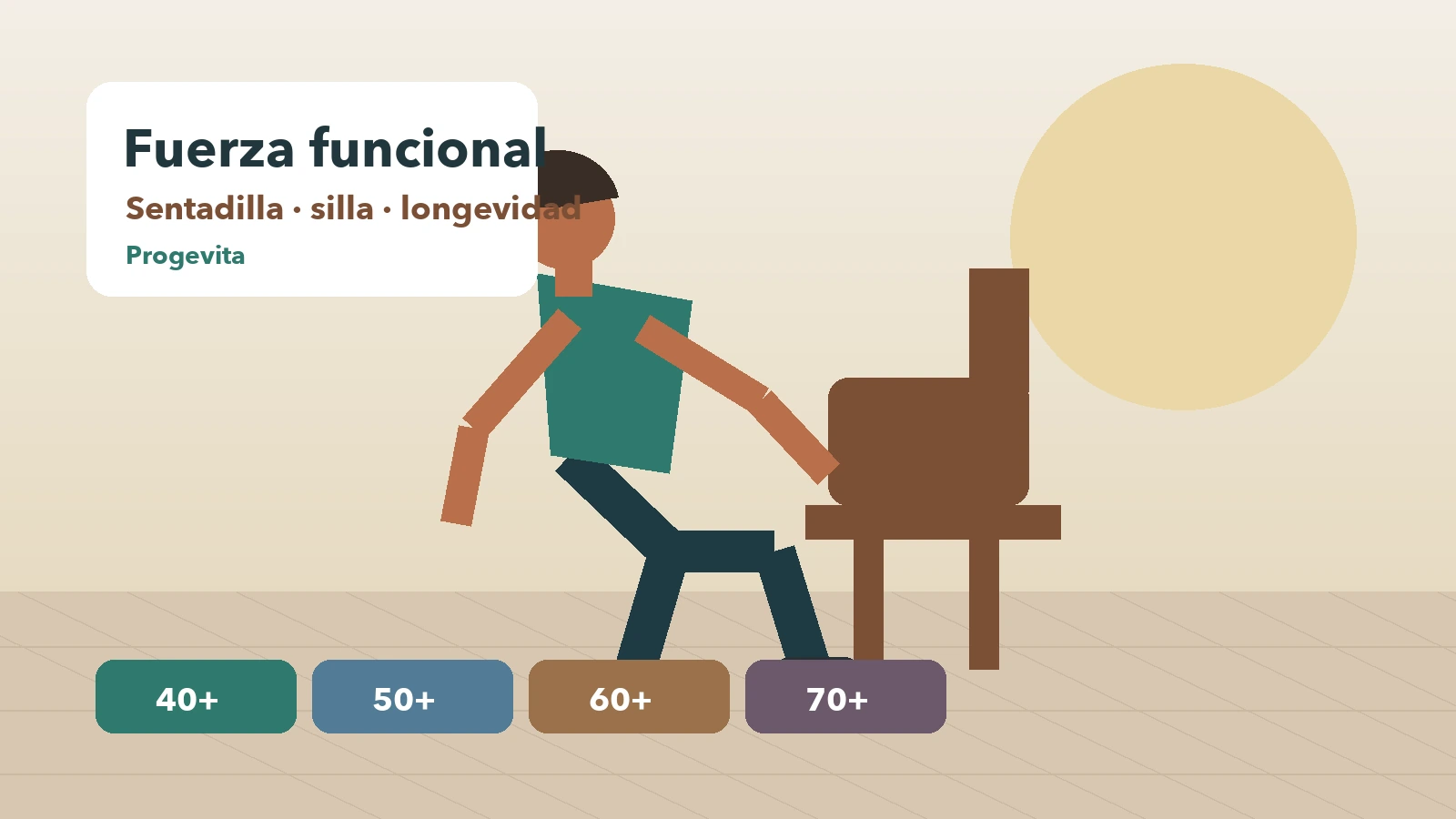
Strength as You Age: What Standing Up From a Chair Can Tell You
Standing up from a chair offers a clue about strength, not a score. How to observe the movement, progress sensibly and know when to seek help.
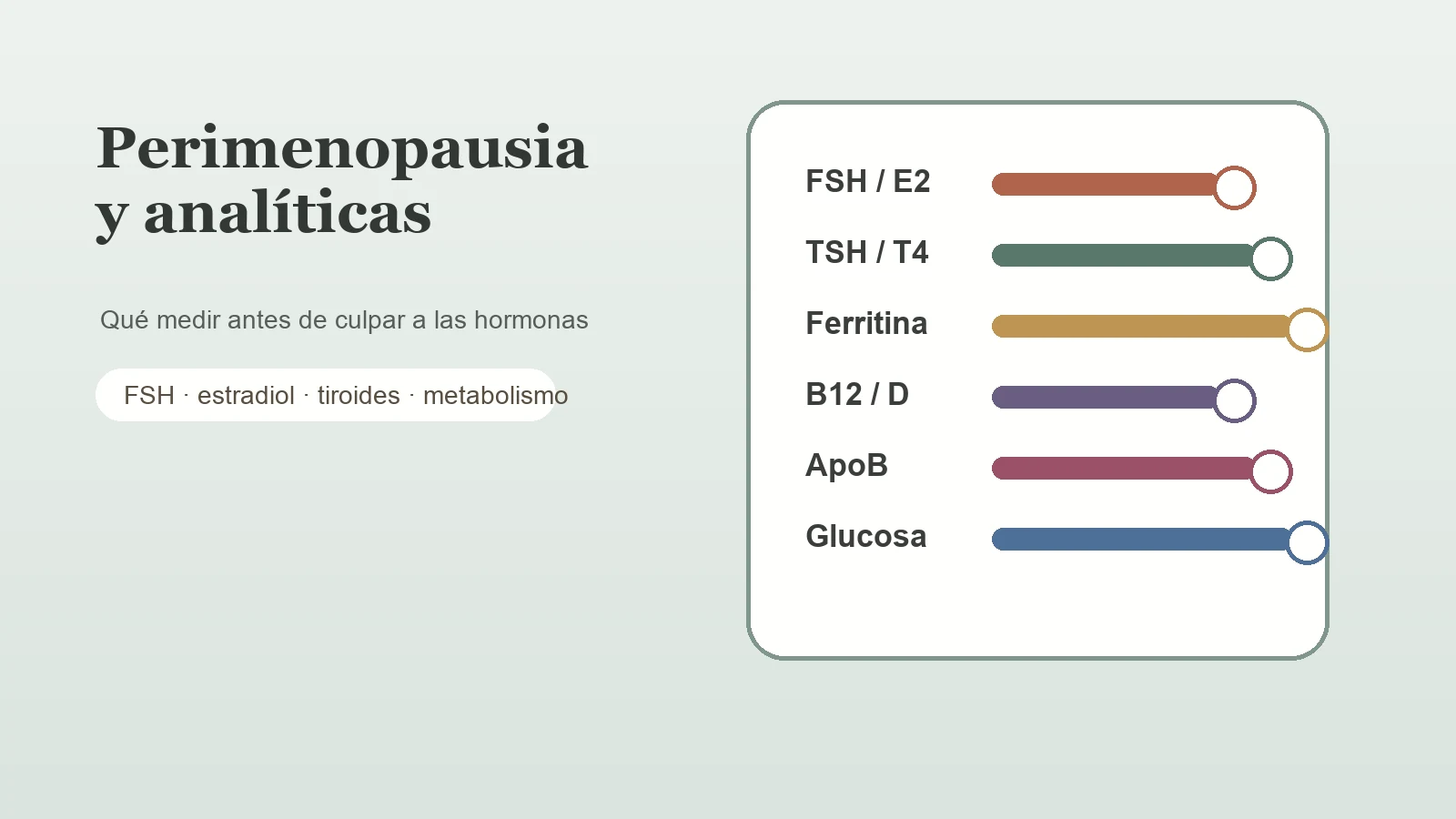
Perimenopause Blood Tests: What Testing Can and Cannot Clarify
Normal blood work does not invalidate your symptoms, and one FSH result does not confirm perimenopause. Which tests may help with a clinical question.
Menopause Joint Pain: Tendons, a Stiff Shoulder and Red Flags
Pain can overlap with menopause without always being hormonal. How to separate patterns, adapt load and recognize a possible frozen shoulder.
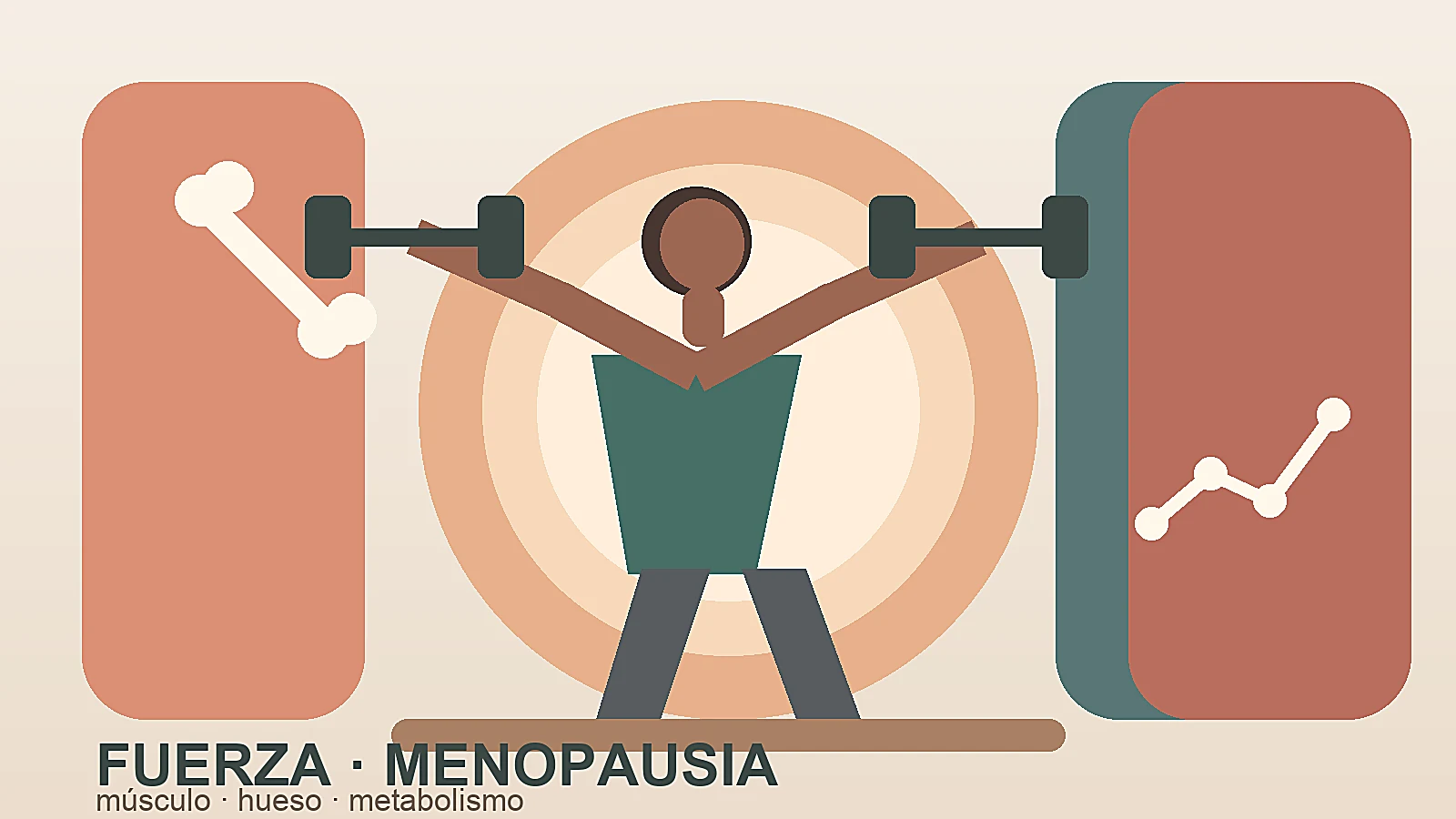
Strength Training in Menopause: How to Start, Progress and Adapt
A friendly guide to starting or returning to strength training in menopause, adapting the load and caring for muscle and bone without chasing a perfect routine.

VO₂ Max After 40: Read the Number and Train with Perspective
What VO2 max tells you, why a watch and a gas-analysis test are not equivalent, how to follow the trend and when assessment makes sense before adding intensity.

Pain During Sport After 40: How to Adapt Without Stopping Blindly
Elbow pain after padel, knee pain while running or a recurring niggle: how to recognize patterns, adjust load and know when assessment makes sense.

Forest Bathing and Stress: Possible Benefits, Limits and a Simple Practice
Nature may offer a useful pause, but it is not a cure for anxiety. What studies show, what they cannot prove and how to try it without creating another obligation.
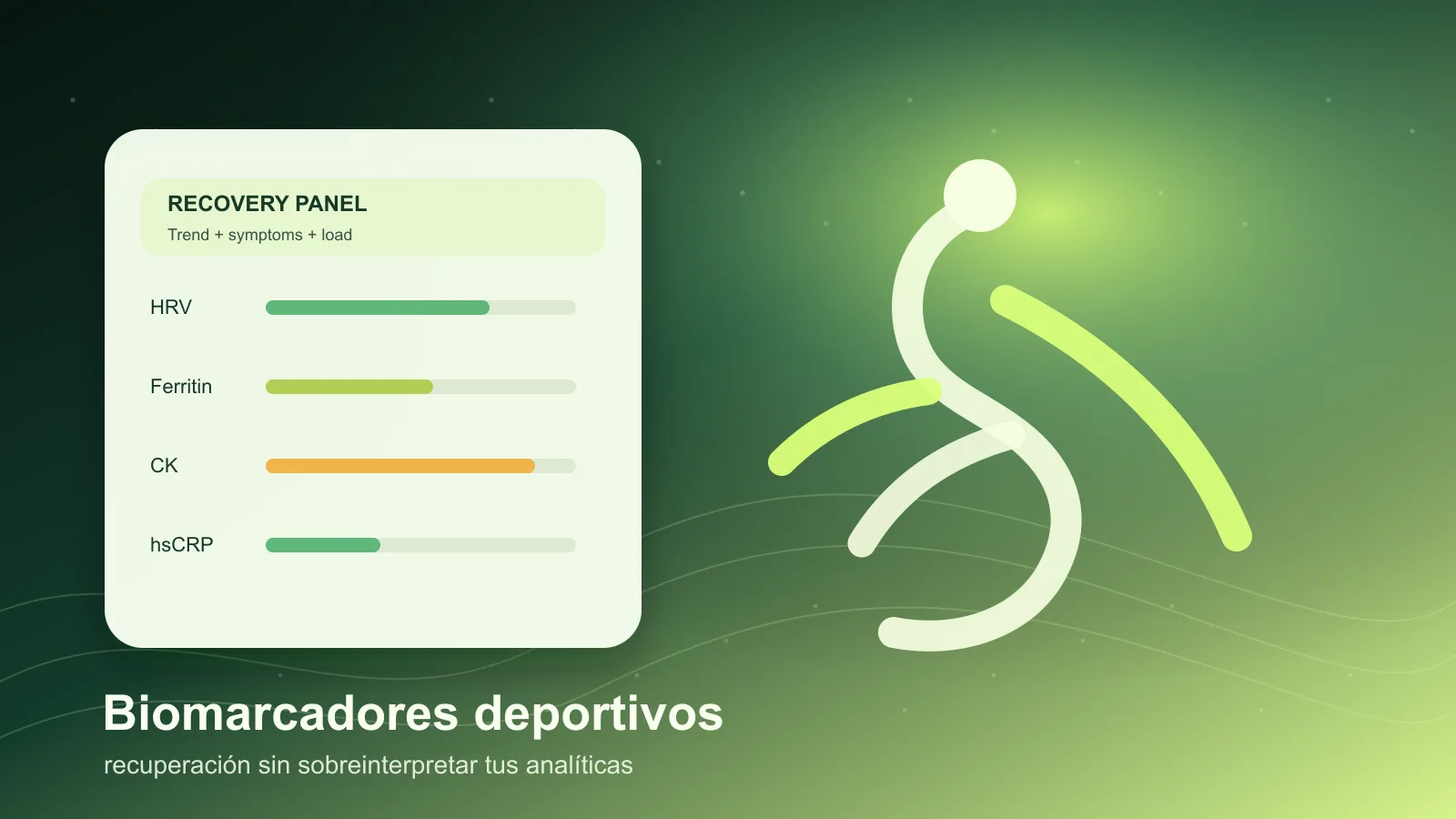
Recovery Biomarkers for Athletes: What They Add and When to Stop Measuring
A watch or blood test can clarify a question, but neither should dictate every session. Read HRV, iron, CK and RED-S without turning normal variation into alarm.

Menopause hormone therapy in 2026: what changed, what did not, and how to decide safely
Menopause hormone therapy is being reappraised: less inherited fear from WHI, more clinical selection, and one core rule for women’s healthspan: timing, route and risk profile matter.

Take Charge of Your Health (Without Turning It Into Another Job)
A personalized health plan is not an endless dashboard. It is a shared sequence for choosing one or two priorities, measuring only what changes decisions and reviewing with an exit rule.

Longevity Retreat in Spain: How to Choose Near Madrid Without Buying Hype
Rest, luxury and medical supervision are not the same purchase. A neutral guide to comparing retreats in Spain, checking safety and knowing what you buy.
What Is Biohacking? What Is Worth Trying and When to Stop
A practical guide to separating useful habits, purposeful measurement and risky experiments within biohacking, without buying every new promise.
Multi-Day Therapeutic Fasting: Benefits, Risks and Medical Supervision
If you are considering a multi-day fast, the question is not how long you can endure. Here is what has been observed, what remains unproven and when supervision matters.

High ApoB: What It Means, Target Levels and How to Lower It
ApoB can add information that LDL-C does not always show. Learn what it measures, when it may help and how to interpret the result without alarmism.

High lipoprotein(a): how to understand the result and what it may change
Seeing high Lp(a) on a lab report can be unsettling. This guide explains what it measures, how to read mg/dL and nmol/L, and which clinical conversation makes sense next.

Telomeres: What a Test Measures and What It Really Means
Telomeres protect chromosomes, but a test cannot predict your lifespan. Learn what it measures, why results vary and when testing has clinical value.

BDNF: Exercise, Memory and the Limits of Blood Testing
BDNF is involved in brain plasticity, but it is not a clinical marker of youth. Learn what exercise changes, what blood measures and what it cannot prove.

Biological Age Tests: What They Measure and How to Choose
A biological age test does not reveal your true age. Learn what epigenetic clocks measure, why results disagree and what to ask before paying.

Hyperbaric Oxygen: Evidence-Based Uses, Risks and Limits
Hyperbaric oxygen treats specific medical problems, but it has not been shown to extend life. We separate accepted indications, anti-aging studies and marketing.

VO2 Max: How to Measure and Improve Aerobic Fitness
Your VO2 max describes cardiorespiratory fitness, not how long you will live. Learn what it measures, when a watch is enough and how to progress without chasing a chart.
HRV: How to Read Heart Rate Variability Without Obsessing
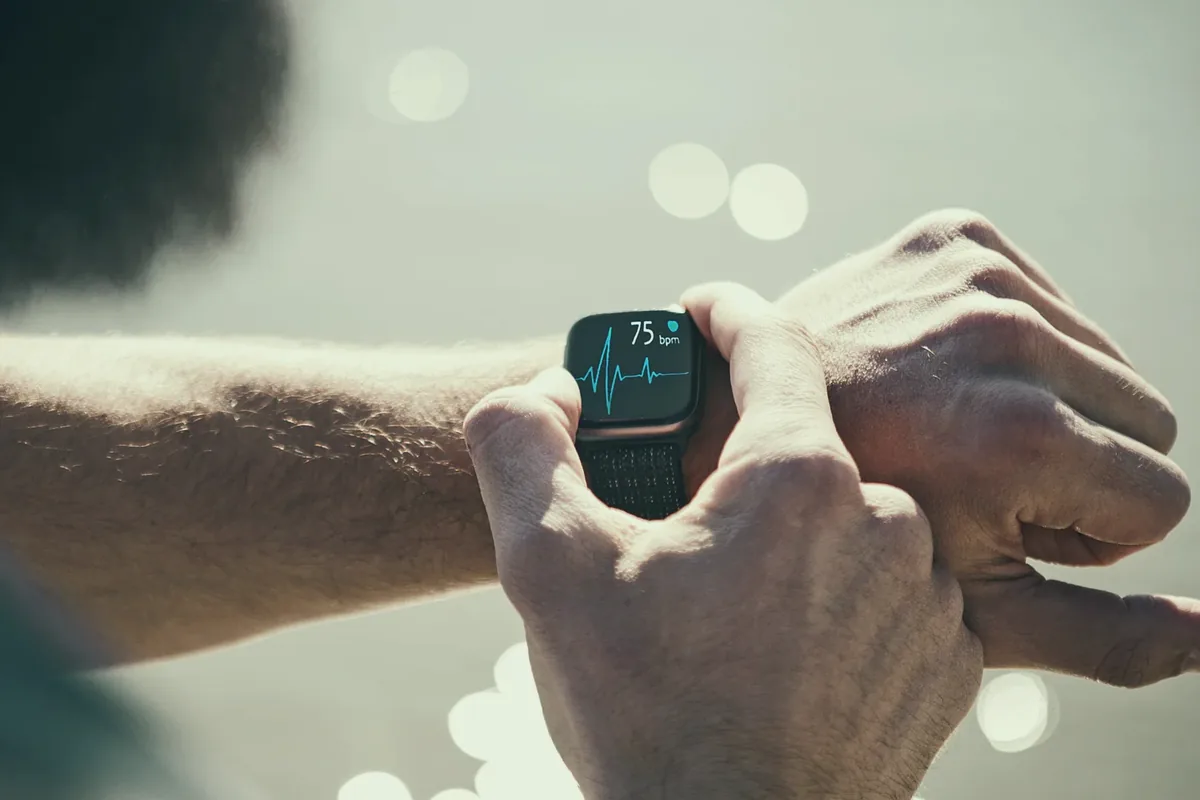
HRV can add context about recovery, but it is not a health grade. Learn how to compare it properly, spot noise and decide without obeying every wearable alert.

Sarcopenia: How to Spot It and Protect Your Strength
Sarcopenia is not identified by muscle size alone. Learn how to spot declining strength, understand the diagnosis and begin a safe, realistic plan.

Metformin and Longevity: What to Know Before Asking for It
Metformin treats type 2 diabetes and may prevent it in selected high-risk people, but it has not been shown to slow aging in healthy adults. How to decide without copying an online dose.

Melatonin for Sleep: What to Expect, Timing and Risks
Melatonin can help in specific situations, but it is neither a universal sedative nor an anti-aging treatment. Learn how insomnia, circadian delay and exaggerated claims differ.

Gut Microbiome and Longevity: What We Know and Tests Cannot Tell
The gut microbiome matters, but there is no perfect profile or test that predicts lifespan. Learn what studies show, when testing helps and what to do without buying hype.
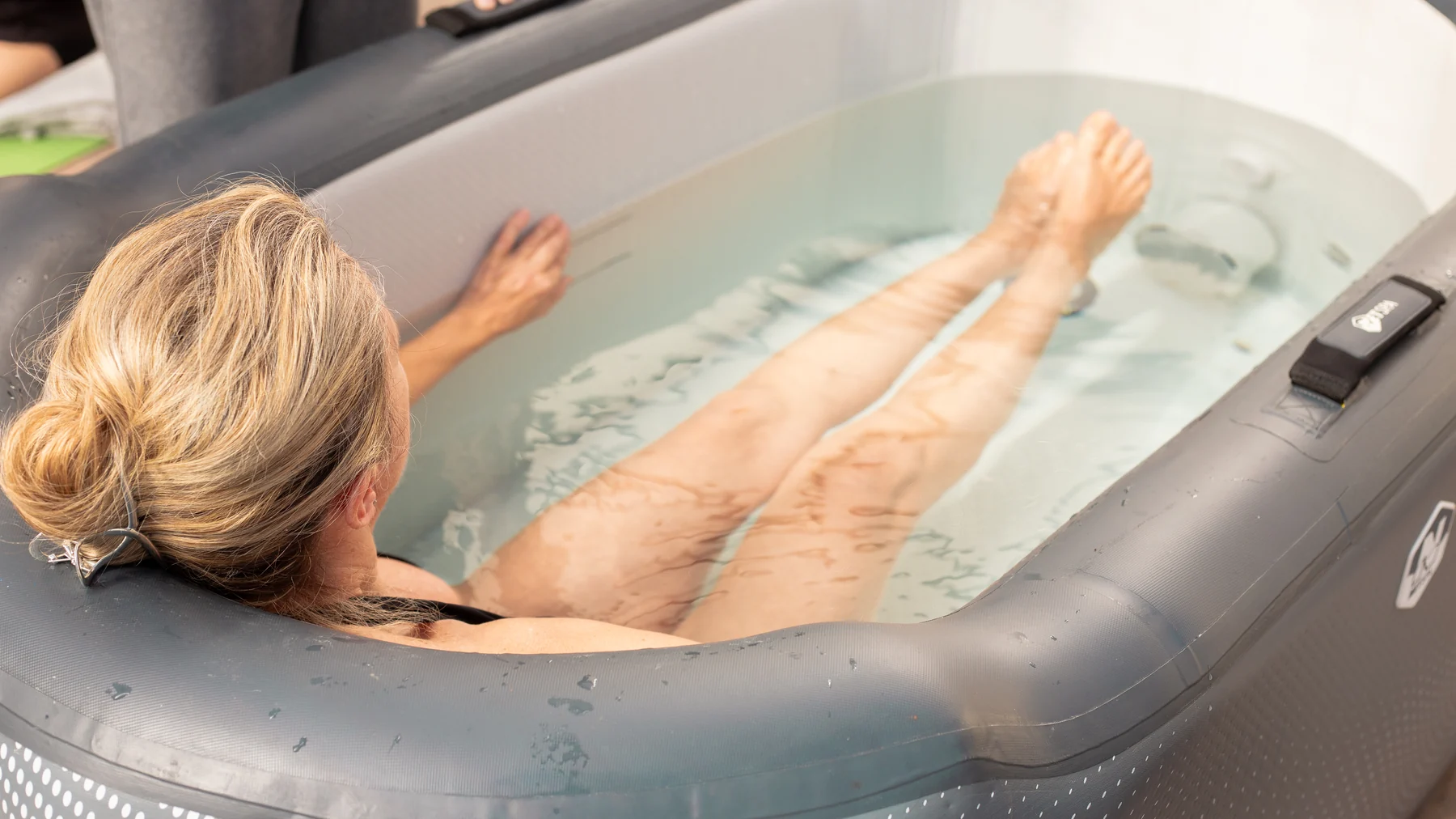
Menopause and Healthspan: What Changes and What Helps
Menopause does not age you overnight. It can affect symptoms, bone, body composition and cardiovascular risk. This guide separates what to expect, measure and treat.

How Much Does a Longevity Clinic Cost in 2026? A Comparison Guide
There is no comparable market average. Separate clinical care, testing, treatment, accommodation, extras and follow-up with dated public prices and a quote template.
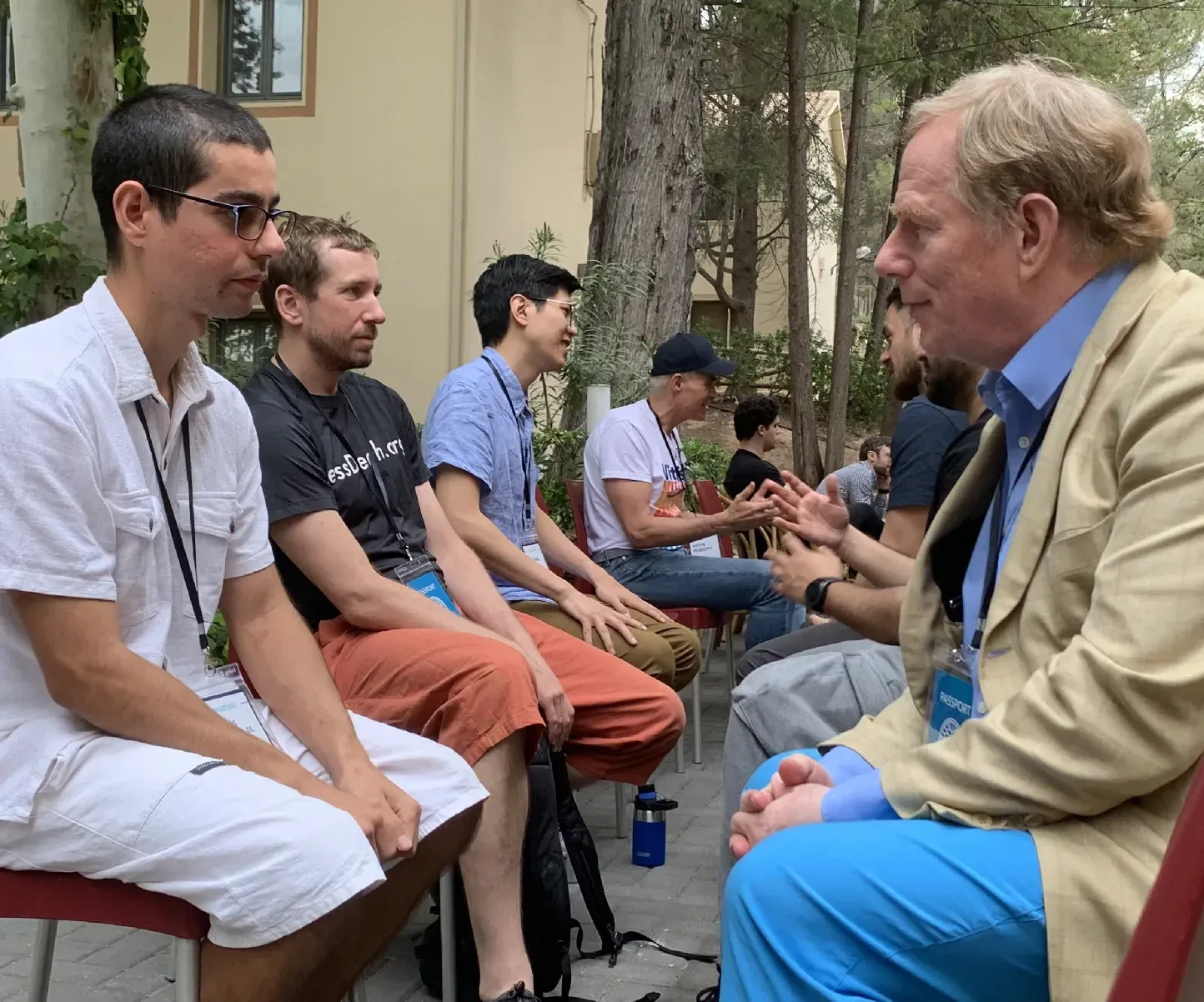
Valencia as a Longevity Hub: Evidence, Signals and Limits
Valencia combines biomedical research, digital health, connectivity and clinical providers, but hub is not accreditation. See which signals are real, what they cannot prove and how to choose.

Healthspan and Lifespan: How to Think About Healthy Years
Healthspan is not a diagnosis-free life or a number revealed by one test. Learn what HALE and Healthy Life Years measure, what Spain's data mean and how to make the idea useful in daily life.
The 12 Hallmarks of Aging: A Map of Evidence and Limits
The hallmarks are a map for studying why we age, not twelve diagnoses or a treatment menu. Here is what each one means, what human evidence can show and where marketing begins.
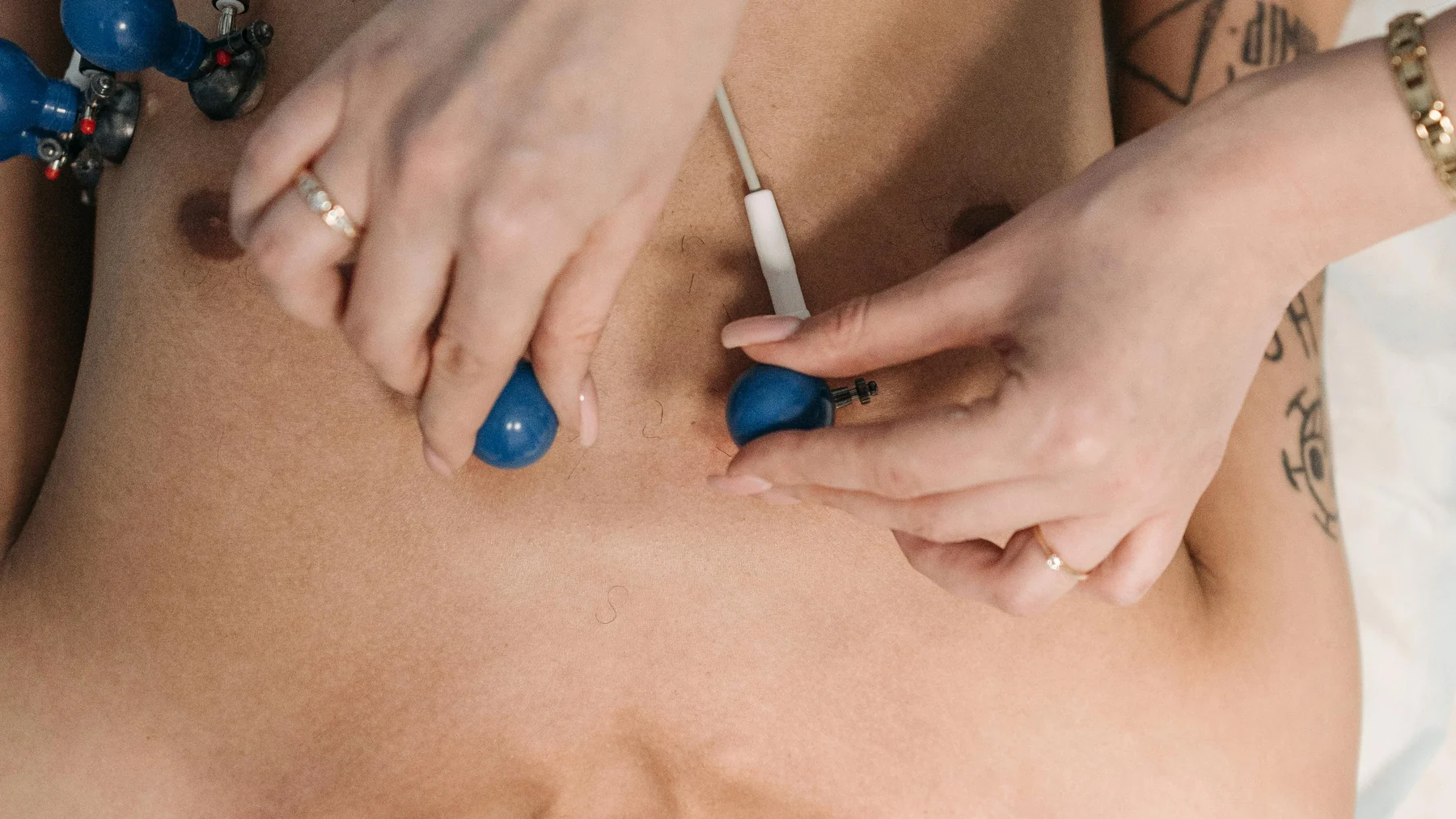
How to Choose a Longevity Clinic: 10 Verifiable Criteria
A practical guide to checking licensing, clinicians, tests, evidence, safety, pricing and follow-up before choosing a longevity clinic.

Senolytics and Zombie Cells: What We Really Know in Humans
Clearing senescent cells works in some animal models, but it is not an anti-ageing shortcut. We review human trials, failures, risks and supplements without the hype.

Intermittent Fasting and Autophagy: What Human Evidence Shows
Autophagy does not switch on when a timer rings. Learn what can be measured in humans, what intermittent fasting may help with and when it is not worth the trade-off.
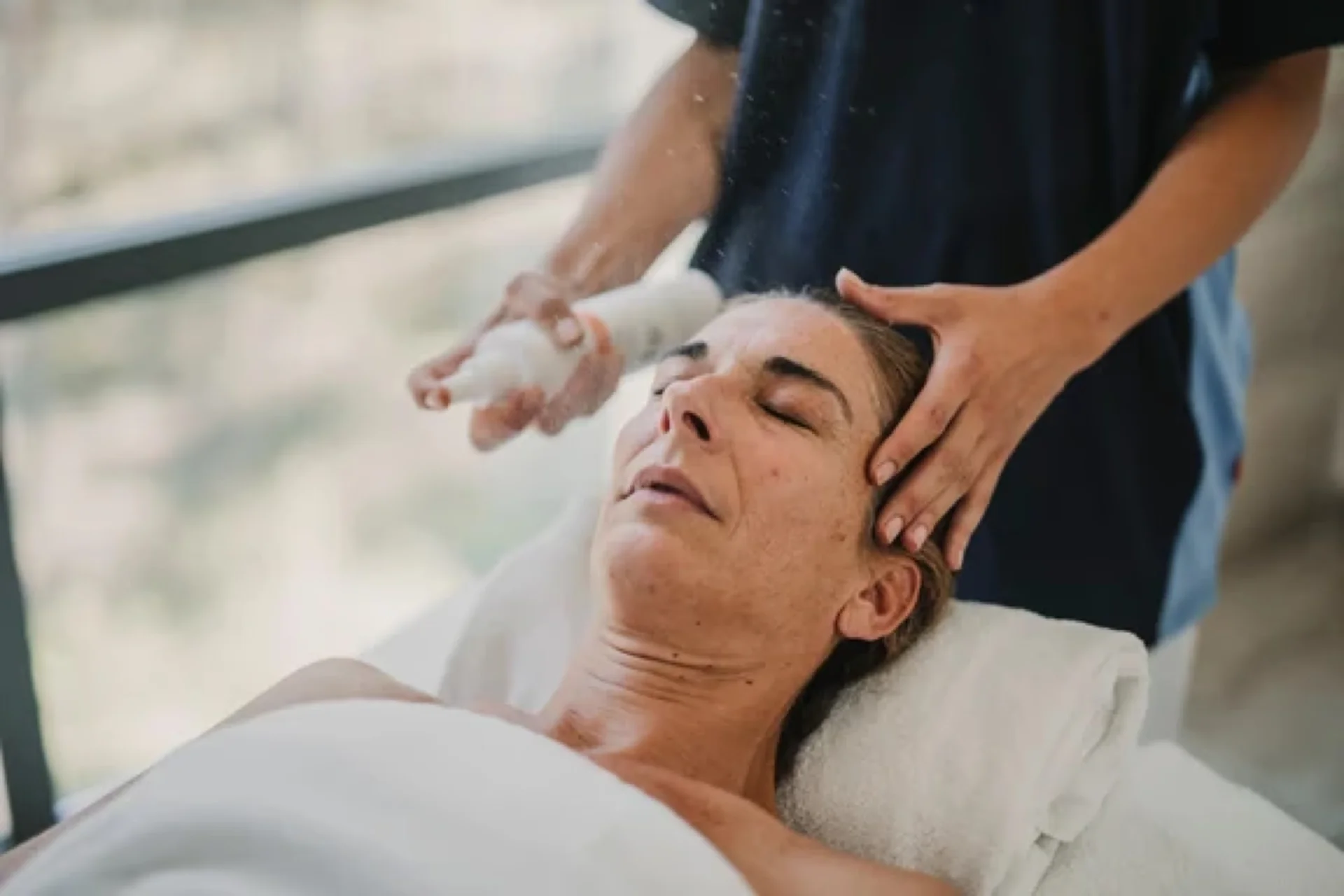
Menopause and Weight Gain: What Changes and What Helps
The scale does not tell the whole story. We separate ageing from menopause, explain why your waist may change, and offer a realistic, flexible plan without blame.

Therapeutic Fasting: What It Means, Types and How It Works
Intermittent, modified or multi-day fasting? We sort out the terms, explain what changes in the body and separate human evidence from reset promises.

Mineral-Water Balneotherapy: Benefits, Evidence and Limits
A thermal bath may ease symptoms and help you move, but it does not rejuvenate on command. We review pain, stress, sleep, inflammation and multi-day dose.
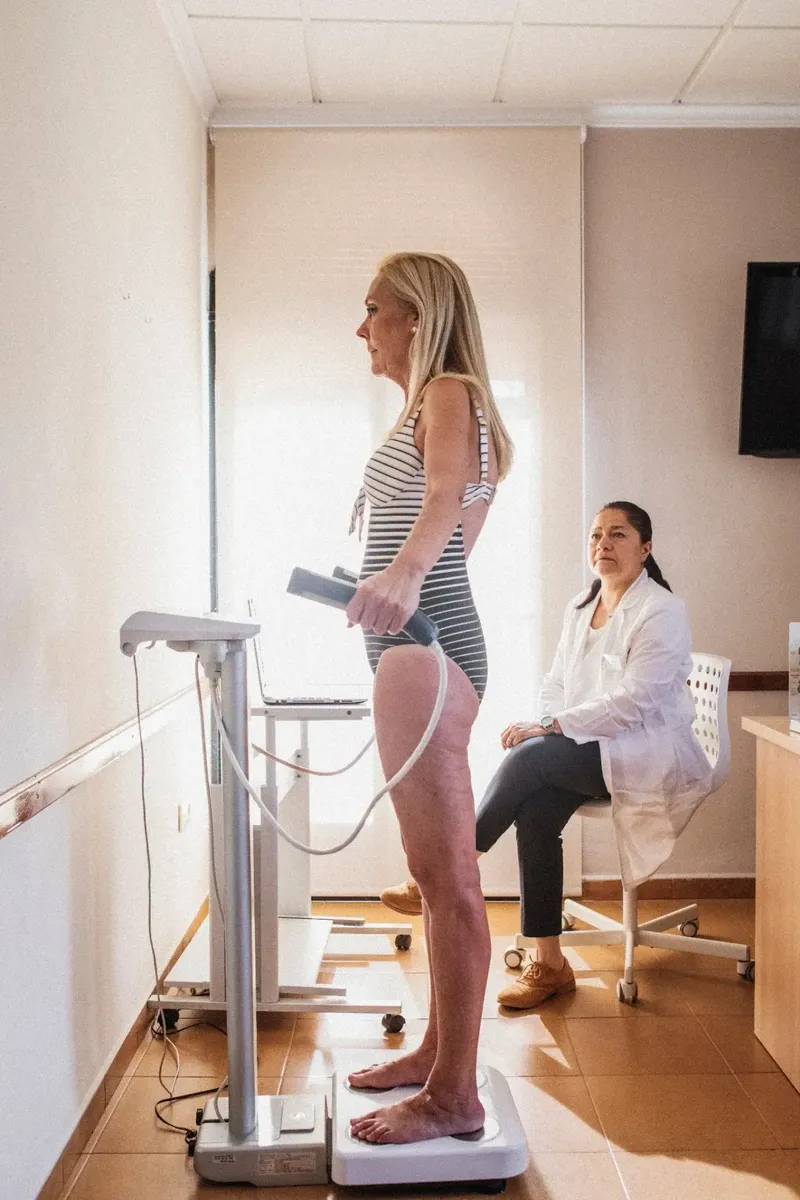
Epigenetic Clocks: What They Measure and How to Read Results
The report looks simple: “your biological age is 47”. Reality is more nuanced. Learn what each clock measures, what can shift the number and when it adds value.

Inflammaging: What It Is and How to Interpret Chronic Inflammation
It is not a disease diagnosed by one number. It is a scientific concept linking inflammation and age. Learn what can be measured, what it means and what genuinely helps.

Anti-Inflammatory Eating: What to Eat Without Magic Lists
A practical Mediterranean-style guide without promises or forbidden-food lists: what to prioritize, how to build a plate, a flexible weekly menu and what the evidence really says.

What Is a Longevity Clinic? Useful Tests and Red Flags
What should happen at a longevity clinic: medical assessment, tests that change decisions, follow-up, transparent costs and warning signs of unsupported marketing.
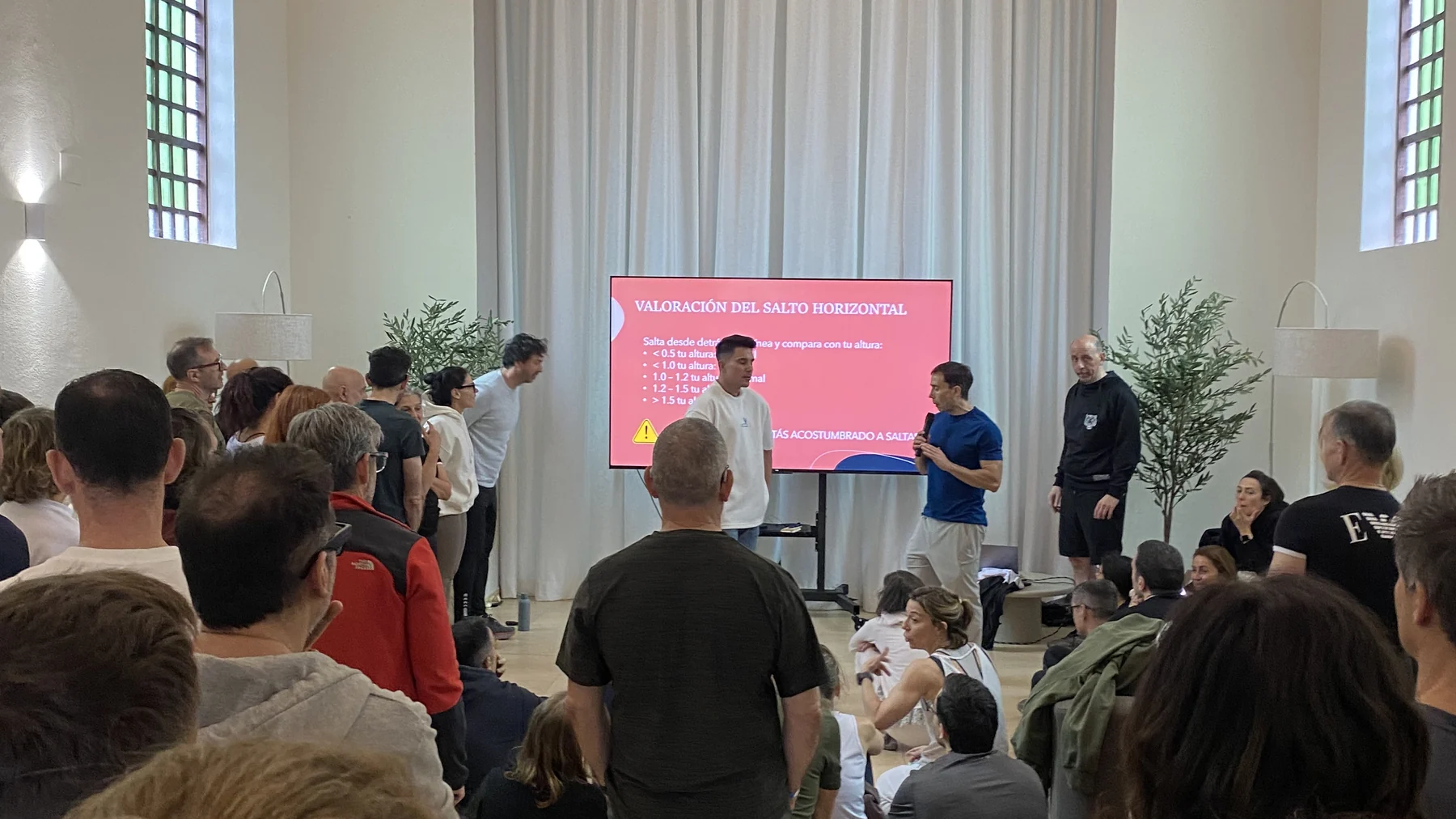
Inside Vive Más 2026 With Marcos Vázquez: An Honest Event Recap
From 5 to 8 March, Cofrentes hosted four days of talks, movement and community. Here is what happened, and what a health retreat cannot prove.

Perimenopause: Real Symptoms, Red Flags and How to Care for Yourself
A warm, evidence-based guide to cycle changes, hot flushes, sleep and mood, with clear advice on when to seek care and which treatments may help.
Preventive Medicine: What to Check and What to Skip
Prevention is not about ordering every test. It means covering high-value care, measuring for your risk and avoiding results that only create noise.

Cellular Senescence: When It Protects and When It Becomes a Problem
A senescent cell is not simply an old cell. It can restrain a tumour or support repair, but its accumulation can also disrupt tissues.

Sirtuins: What They Are and Why Activating a Pathway Is Not Longevity
SIRT1 to SIRT7 connect metabolism, repair and stress responses. The biology is fascinating; a promise of longer human life remains unproven.
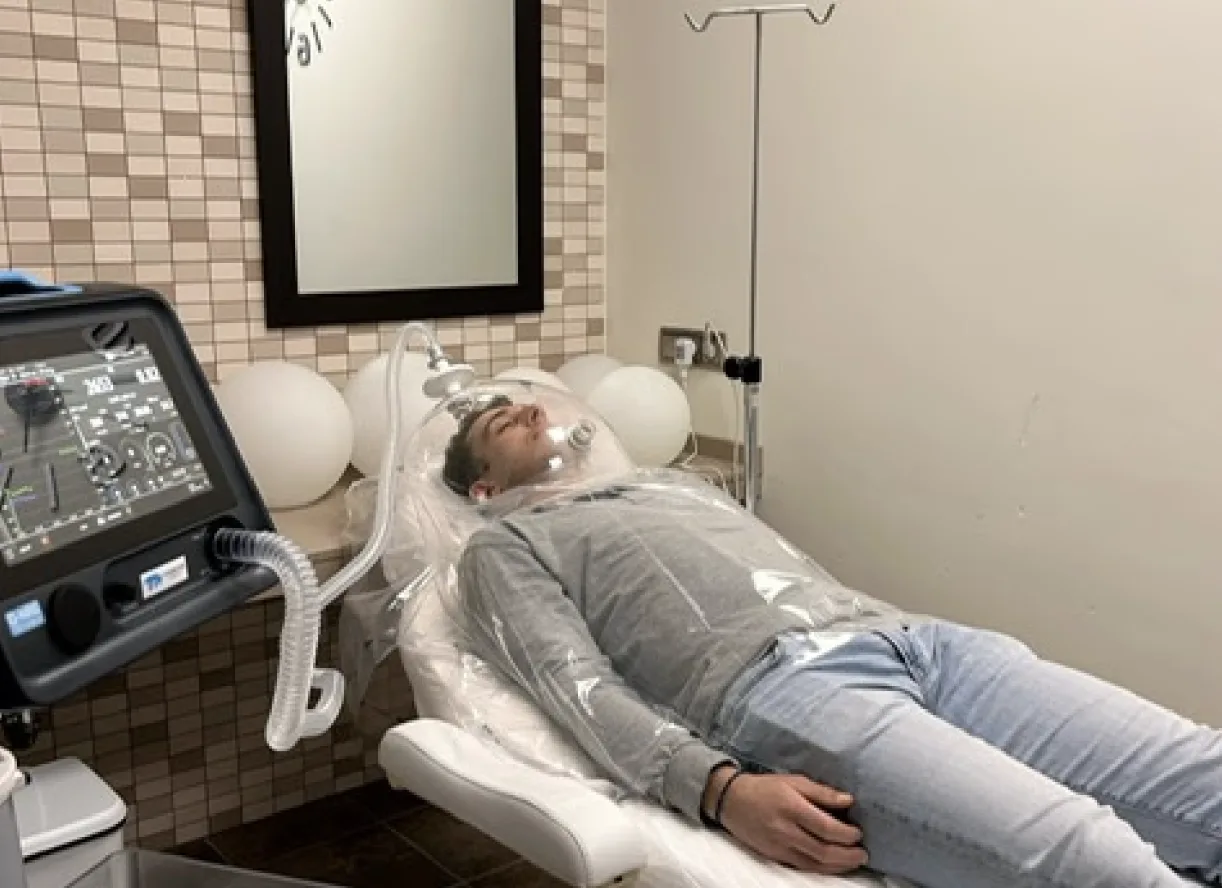
Mitochondrial Dysfunction: What We Know and What Actually Helps
Mitochondria change with age, but fatigue is not a diagnosis. A clear guide to separating biology, disease and wellness marketing.
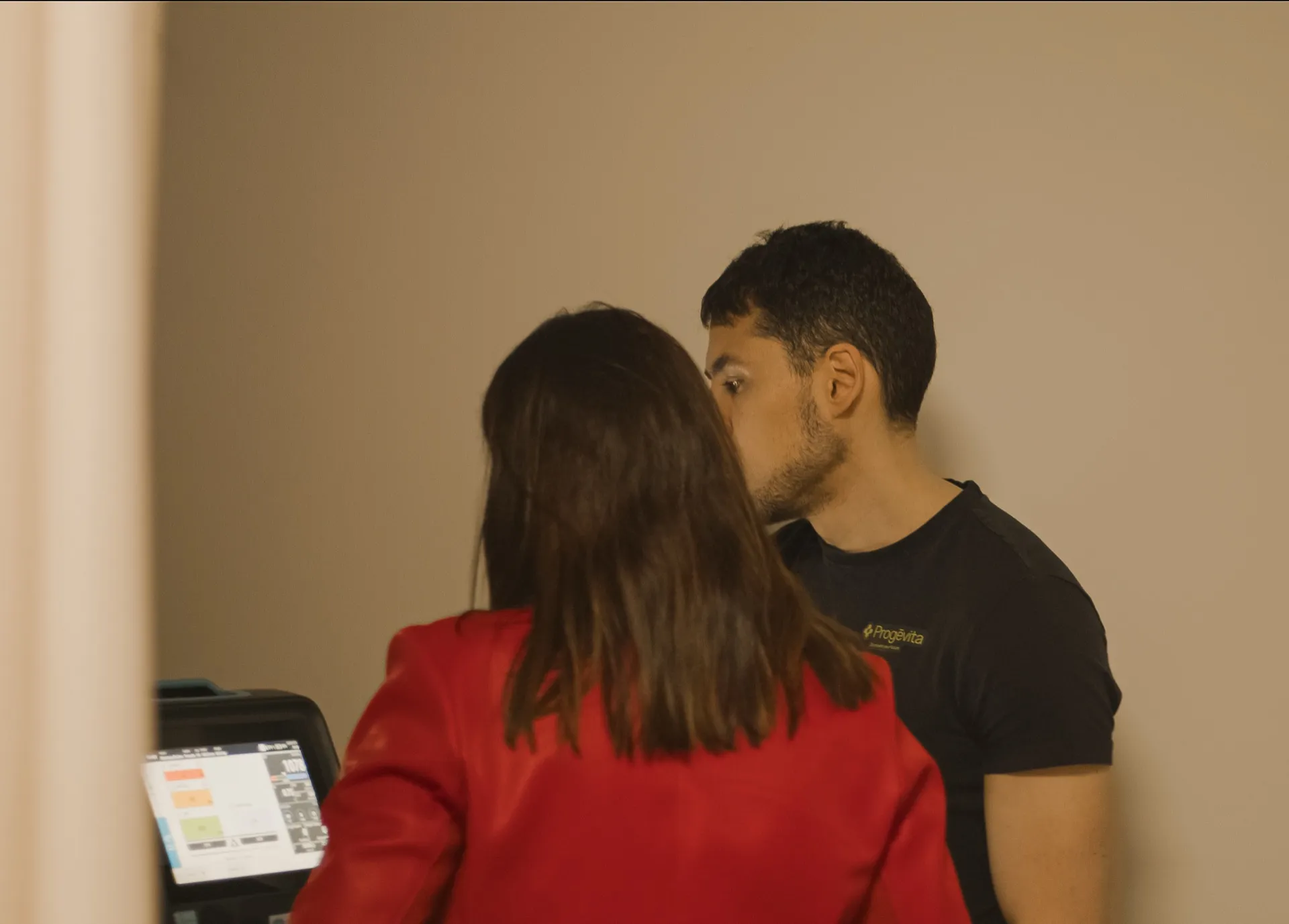
Therapeutic Plasma Exchange: Proven Medicine or Anti-Aging Promise?
TPE can be lifesaving in specific indications. For rejuvenation or microplastics, the evidence tells a different story. Here is how to separate them.

Plasmapheresis: What a Session Involves and Which Risks Matter
What happens during plasmapheresis, why techniques differ and which questions to ask about indication, replacement fluid, risks and cost.
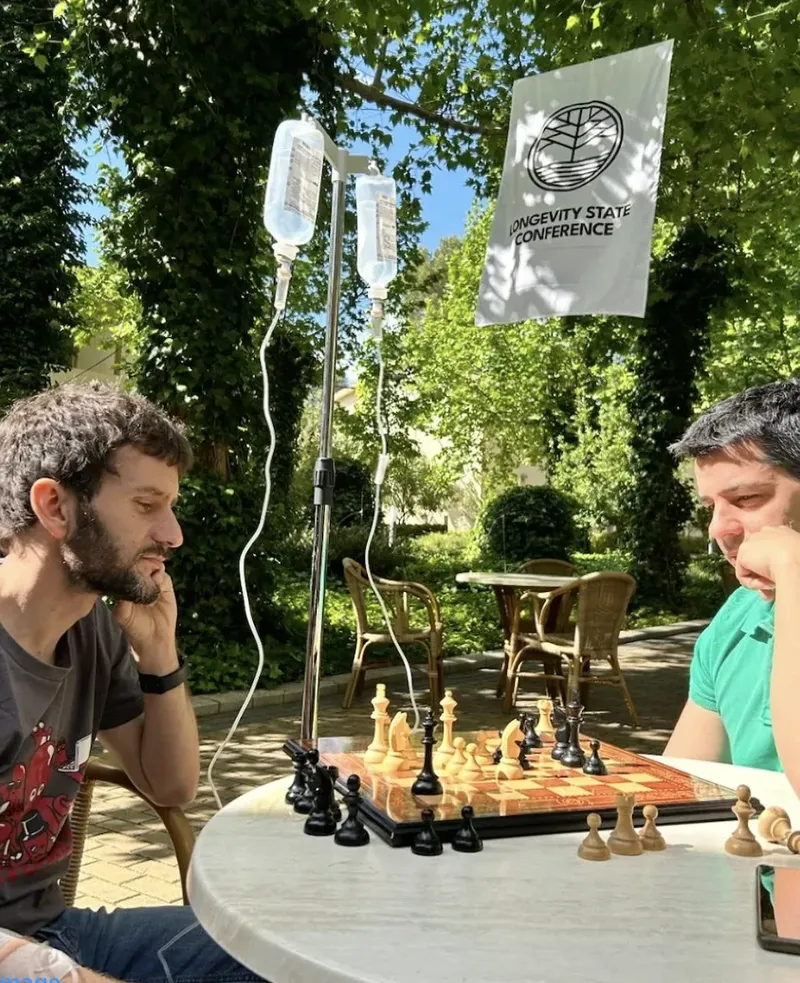
NAD+ Therapy: What We Know About IV Drips, NR and NMN
NAD+ is real biology, but an IV drip is not the same as an oral precursor or a promise of rejuvenation. This guide separates all three.

Ozone Therapy: What We Know, What We Don't and How to Assess It
A cautious guide to ozone therapy, evidence for pain and wounds, its limitations, safety and the questions to ask before treatment.

Longevity Biomarkers: What to Track Without Turning Your Body Into a Spreadsheet
A practical guide to choosing measurements that change decisions, understanding their limits and avoiding huge panels that only add noise.

The Impact Project x Progevita: leadership, health and conversation
How we designed a retreat for women leaders with The Impact Project: what happened, what our team observed and which outcomes we did not measure.

Inside LBF7 Spain at Progevita: ideas, projects and community
LBF7 Spain took place at Progevita from 22 to 29 September 2025. This is our account of the program, what we learned and the limits of its health bootcamp.

Inside our retreat with Elena Devís: science, calm and community
An honest account of the retreat we shared with Elena Devís and 26 participants: what we did, what our team learned and what we cannot claim about the outcomes.

Why we created Progevita: a note from Clara Fernández
Progevita began with a conversation between my father and me: how could we continue a family health project while building something genuinely useful for a new generation?
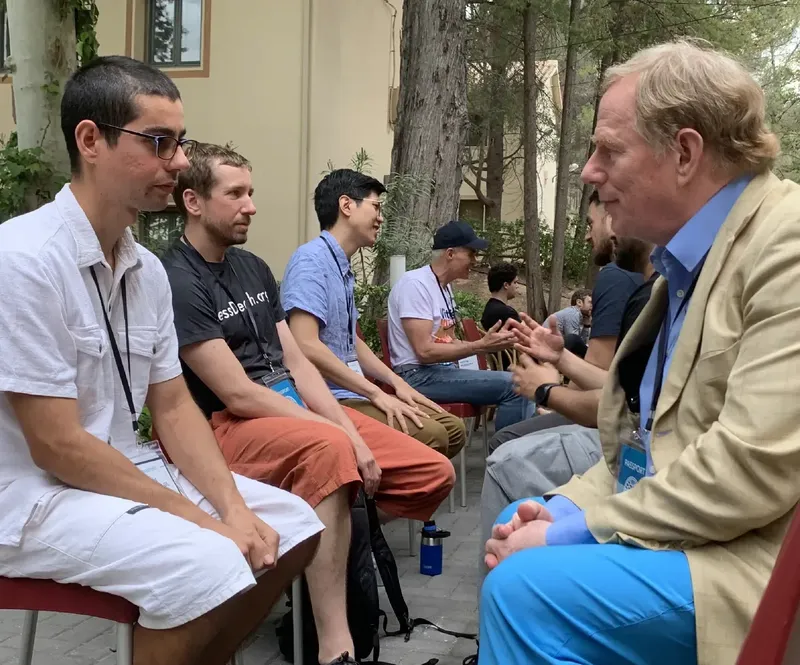
Bryan Johnson's Don't Die: what is worth borrowing, and what isn't
Meeting Bryan Johnson changed my view of the person behind Don't Die. His experiment has useful lessons, but a public protocol is not a prescription for everyone.