
A thermal bath may ease symptoms and help you move, but it does not rejuvenate on command. We review pain, stress, sleep, inflammation and multi-day dose.
A thermal bath can feel wonderful. The harder question is how much of that relief comes from the mineral water and how much comes from heat, buoyancy, rest, movement and setting. Research shows useful signals, especially for musculoskeletal pain and function, but it does not demonstrate rejuvenation or a longer life.
This guide does not turn a pleasant experience into a medical promise. It helps you distinguish balneotherapy, hydrotherapy and spa, understand what researchers have actually tested and recognise when an assessment matters before entering a thermal circuit.
Evidence review: 9 September 2026. We reviewed visible Spanish and English results and recent clinical literature on the same day. Progevita operates within Balneario de Cofrentes. Its pages are used here to verify the declared composition of the springs, their current uses and the centre's safety rules, not as independent evidence of efficacy. Clinical claims rely on the scientific publications linked below.
Context note: Progevita works within Balneario de Cofrentes, so this guide declares that relationship and separates entity information, scientific evidence and clinical decisions. Individual indication should go through the medical team, including clinicians such as Dra. Lorena Vela when relevant.
What balneotherapy can do, without overclaiming
- Pain and function: the 2025 meta-analysis found favourable pooled effects on pain at three months (SMD −0.72; 95% CI −1.00 to −0.44) and quality of life (SMD 0.56; 95% CI 0.37 to 0.75), but rated both results very low certainty because of bias, inconsistency and possible publication bias.
- Cortisol: the 2024 meta-analysis did not find a statistically significant overall reduction. Thermal bathing should not be marketed as a proven way to “lower cortisol”.
- Stress and sleep: the 2026 multicentre trial in 243 adults with moderate-to-high stress found improvements in perceived stress, anxiety, depressive symptoms, fatigue and sleep after 11 days. The caveat matters: it tested a full programme with water, peloids, climate, nature and/or residential care, not mineral water alone.
- Aquatic exercise: a 2026 knee osteoarthritis study suggests that adding movement in water may improve short-term pain and mobility more than balneotherapy alone. The message is not “more techniques”; it is water, load and progression together.
- Duration: studies use different programmes, roughly 6 to 21 days. That describes the research, not a universal prescription.
- Medical limit: thermal water supports a plan; it does not replace rheumatology diagnosis, cardiovascular treatment, physiotherapy, sleep care or medication review.
Thermal therapy becomes more useful when it is combined with natural surroundings, quiet and low-load movement. The same logic explains why forest bathing for stress and mild anxiety symptoms can belong inside a measurable recovery protocol rather than a vague wellness promise.
What Makes Volcanic Water Special?
The difference between a mineral spa and a hotel jacuzzi is not aesthetic: it is geochemical. Mineral-medicinal waters are not defined by being “hot”; they are defined by origin, composition, dissolved gases, mineralisation and prescribed therapeutic use.
At Cofrentes, the correct geological reference is the Cerro de Agras volcano, also known as the Cofrentes volcano or Cerro Negro. Balneario de Cofrentes describes several springs: Hervideros, Pilón, Fuentemina, Salinas de San Javier and Granera, each with a different composition and use. Cofrentes should not be reduced to “one water” with one temperature and one chemical formula.
For example, Hervideros is described as mixed bicarbonate, sulfate, magnesium, carbonic and ferruginous water used in hydropinic cures; Pilón as calcium bicarbonate, oligometallic water also used in hydrotherapy. The temperature used in a bath or circuit belongs to the therapeutic protocol, not to a universal spring value.
Balneotherapy, Hydrotherapy and Spa: Not the Same Promise
The first problem in search results is semantic: many pages discuss “thermal water benefits” while mixing balneotherapy, hydrotherapy, jacuzzis, thalassotherapy, mud therapy and massage. To make a clinical decision, separate what is actually being studied.
| Format | What it is | What it can support | What it cannot prove |
|---|---|---|---|
| Mineral-medicinal balneotherapy | Therapeutic use of natural mineral waters, sometimes with gases or peloids, in repeated protocols. | May support pain, function, stress and sleep when used over several days with clinical selection. | It does not prove rejuvenation, detox or cure for rheumatic disease. |
| Hydrotherapy | Use of water through temperature, pressure, buoyancy or exercise, even when the water is not mineral. | May facilitate low-impact movement, muscle relaxation and exercise tolerance. | It does not by itself prove a specific effect from minerals or dissolved gases. |
| Hotel spa or jacuzzi | Recreational or wellness immersion, usually without medical indication or specific mineral composition. | May help relaxation and disconnection. | It should not be sold as clinical treatment without assessment, dose and follow-up. |
| Thalassotherapy or peloid therapy | Sea water, marine climate, algae, therapeutic muds or peloids. | May have a role in rehabilitation and pain, depending on protocol. | It is not interchangeable with volcanic or bicarbonate inland mineral water. |
This distinction sounds technical, but it changes the recommendation. If a study uses 11 days of residential balneotherapy, it does not justify promising the same effect from one jacuzzi session. And if a trial combines water, mud, exercise and nature, the outcome belongs to the whole protocol, not only to the mineral.
What a Serious Balneotherapy Guide Should Clarify
Most pages on thermal water answer “benefits” too quickly. A useful guide should help you decide whether it is worth doing, for whom, at what dose and with what limits. That is the difference between wellness content and responsible thermal medicine.
| Real question | Useful answer | Marketing signal |
|---|---|---|
| Which problem is it trying to improve? | Pain, function, sleep, stress, fatigue or skin, defined before starting. | Promising “wellness”, “detox” or “rejuvenation” without a measurable goal. |
| What is the dose? | Days, temperature, duration, pauses, pressure and progression are adapted. | A single session presented as equivalent to a 10- to 21-day study. |
| Which part is water and which part is the stay? | Separate mineralisation, heat, buoyancy, exercise, nature, sleep and follow-up. | Attributing everything to the mineral even when the protocol includes mud, exercise and rest. |
| Which risks are reviewed? | Blood pressure, medication, cardiovascular risk, skin, pregnancy, dizziness and heat tolerance. | No screening before putting everyone through the same circuit. |
Cofrentes Has Several Springs, Not One Water
Composition helps identify each spring, but it does not automatically predict a clinical benefit. Current Balneario documentation describes the following:
| Spring | Declared composition | Current described use | Limit of the claim |
|---|---|---|---|
| Hervideros | Mixed bicarbonate, sulfate, magnesium, carbonic and ferruginous | Prescribed drinking cure | Composition alone does not demonstrate an anti-inflammatory or anti-ageing effect |
| Pilón | Calcium bicarbonate and oligometallic | Drinking cure and hydrotherapy | Indication and route matter more than a list of minerals |
| Fuentemina | Sulfate, magnesium and calcium | Reserve spring | It should not be presented as part of a current treatment if it is not in use |
| Salinas de San Javier | Sodium chloride and hypermineralised | Being channelled for future use | It is not equivalent to a technique available today |
| Granera | Calcium bicarbonate | Sanitary network for the complex | This is not proof of a specific therapeutic benefit |
Geology explains why waters differ. Efficacy, however, requires trials of a particular water, technique, population and outcome. “Volcanic” describes origin; it is not an automatic mark of clinical superiority.
Mechanisms of Action: Which Pathways Are Proposed
For decades, the medical community debated whether mineral immersion had systemic or only local effects. The cautious answer is that several pathways may coexist: skin contact, heat or thermal contrast, buoyancy, hydrostatic pressure, peripheral circulation, autonomic regulation, gentle exercise and rest.
Skin contact: The skin is not a passive barrier, but systemic mineral absorption from water varies by ion, concentration, time, temperature, pH and skin status. That is why it is more accurate to speak about cutaneous interaction and local effects than to promise guaranteed “mineral absorption”.
Hormesis hypothesis: a narrative review by Gálvez and colleagues proposes that heat and some sulfurous waters may activate adaptive responses such as heat-shock proteins. This is an interesting mechanistic framework, not proof of rejuvenation or evidence specific to Cofrentes water.
Neuroendocrine system: rest, heat and context may change perceived stress. Antonelli and colleagues pooled 17 studies, however, and found no significant overall effect on cortisol (g = -0.11; 95% CI: -0.30 to 0.08). Feeling more relaxed and lowering cortisol are not the same claim.
Pain, Stress and Sleep: Where the Clinical Evidence Is Strongest
The important question is not whether thermal water “works” in the abstract, but for which problem, with which protocol and for how long. Many guides mix hydrotherapy, spa, jacuzzi, thalassotherapy and balneotherapy. In thermal medicine, at least five scenarios should be separated:
| Goal | What recent evidence suggests | How to use it without overclaiming |
|---|---|---|
| Osteoarthritis and joint pain | Protano et al. (2023) in osteoarthritis and Aribi et al. (2025) in rheumatology point to improvements in pain, function and quality of life. But Aribi rated the certainty as very low because of risk of bias, inconsistency and suspected publication bias. The 2023 EULAR update keeps tailored exercise, education and an individualised plan as the non-pharmacological core. | Balneotherapy can support physiotherapy, strength, healthy body composition and inflammation control; it should not displace the foundation. For joint pain, read our guide to arthritis prevention and joint health. |
| Stress, anxiety and fatigue | Rapolienė et al. (2026) randomized 243 adults with moderate-to-high stress across six Lithuanian medical spa centres. After 11 days, the residential group showed short-term reductions of 46% in stress intensity, 54% in depressive symptoms and 49% in sleep impairment; some improvements persisted at six months. The programmes combined mineral water, peloids, climate, nature and residential care, so they cannot isolate the effect of the water. | Read it as low-load recovery: water, rest, environment and routine. It does not replace psychotherapy or medical treatment when anxiety or depression is clinical. |
| Sleep | Sleep improves in some thermal programmes, but trials usually combine bathing, activity, schedules and rest. The evidence does not show that the mineral alone treats insomnia. | It can improve the terrain: lower activation, natural light, gentle movement and timing. If the issue is circadian rhythm, also read melatonin and aging. |
| Oxidative stress and inflammation | Small studies and mechanistic proposals address oxidative stress and inflammation, but they do not prove a stable, clinically relevant systemic effect. | Prioritise pain, mobility, sleep and quality of life. One biomarker does not make a protocol an anti-ageing therapy. |
| Skin barrier and dermatology | Protano et al. (2024) reviewed balneotherapy in dermatological diseases and found symptomatic improvements in small studies, attributed to the physicochemical properties of mineral water. | It may support dermatological care; it is not a substitute for diagnosis or treatment during active flares. |
Durations Studied, Without Turning Them Into a Prescription
Dose matters, but the literature does not define one universal duration. Counting nights is not enough: session number, minutes, temperature, pressure, mineralisation, treatment area, recovery and co-interventions all vary. These ranges describe published trials and programmes. They do not replace individual assessment.
| Duration | Studied setting | What it tells us | What it does not tell us |
|---|---|---|---|
| 6-11 days | Complex programmes for stress and pain in outpatient, residential or nature-combined formats | Context and repetition matter | That six days are sufficient for every person or condition |
| 14-21 days | Trials and traditional programmes for musculoskeletal pain and rehabilitation | Much of the evidence comes from repeated exposure | That a longer stay always produces more benefit |
In a real stay, the effect does not come only from “getting in the water”. It comes from repeated moderate thermal exposure, buoyancy unloading joints, low-impact movement, better sleep, less noise, structured timing and clinical judgement. That is why thermalism naturally connects with forest bathing, HRV and recovery, as long as it does not become a catalogue of promises.
The Spanish delivery model does not settle the dose either. In 2026, Spain's official Imserso Thermalism Programme organises 10-day, nine-night stays with an entry assessment and thermal treatment. That is an operational programme format, not a clinical comparison showing that ten days are better than six, eleven or twenty-one.
What recent studies teach about dose
The 2025 and 2026 studies help define programme formats, but they do not justify one universal prescription:
- Knee, three weeks: ANGELLO randomized 173 adults aged 50 to 80 with knee osteoarthritis and analysed 145. A package of baths, underwater massage and mud poultices improved six-month WOMAC function by 11.7 points versus usual care (Cohen's d 1.045). That is a large effect in this trial, but the comparison tests a complete programme against usual care; it cannot isolate minerals, heat or any single technique.
- Hands, six sessions: a 2026 double-blind trial enrolled 50 people with painful bilateral hand osteoarthritis; 38 completed the analysis. Six 15-minute brine hand baths over three weeks at 25 °C reduced pain by 26.4 mm more than sham tap-water baths immediately after treatment. Function, grip strength and microcirculation did not improve significantly, and the small single-centre completer analysis omitted 12 participants without post-baseline data.
- Knee, balneotherapy plus aquatic exercise: a 2026 study compared balneotherapy alone with balneotherapy plus aquatic exercise in mild-to-moderate knee osteoarthritis. Both groups improved; the combined group had greater short-term pain reduction (31% versus 13%) and more consistent mobility gains. This is useful for designing stays, but it does not prove mineral superiority or long-term outcomes.
- The evidence as a whole: the 2025 meta-analysis included 42 randomized trials across mechanical and inflammatory disorders and fibromyalgia. Pain and quality of life favoured balneotherapy at three months, but certainty was very low; withdrawal and adverse-event estimates were imprecise. A later review of 13 recent osteoarthritis studies could not pool results because protocols and outcomes were too heterogeneous.
The practical approach is to define one question—pain, function or tolerance of movement—and measure it before and after a prescribed cycle. Start with the goal, heat tolerance, mobility, medication and cardiovascular risk, not by copying the minutes or days used at another spring.
Quick Evidence Matrix
| Condition | Studied format | Comparator | Observed effect | Certainty and follow-up |
|---|---|---|---|---|
| Knee osteoarthritis | 3-week therapeutic spa programme with baths, underwater massage and mud | Usual care | Better WOMAC function at 6 months in ANGELLO | Pragmatic RCT; good size, but complete package cannot be isolated |
| Hand osteoarthritis | 6 local brine baths over 3 weeks | Sham tap-water bath | Less immediate pain; no clear function or grip-strength gain | Small, double-blind, short follow-up |
| Mild-to-moderate knee osteoarthritis | Balneotherapy versus balneotherapy plus aquatic exercise | Balneotherapy alone | Both improve; combined group has greater short-term pain reduction | 2026 clinical study; long-term outcomes still needed |
| Moderate-to-high stress | 11-day outpatient, nature-combined or residential balneotherapy programme | Control group | Better perceived stress, anxiety, depressive symptoms, fatigue and sleep; largest short-term effect in the residential format | Multicentre RCT; complex intervention, not isolated water |
| Sleep | Balneotherapy programmes with or without exercise | Highly variable | Mainly subjective sleep-quality improvement | 2022 review; only one study used actigraphy and heterogeneity is high |
What to measure before and after a cycle
The most honest way to use balneotherapy is to treat it as an intervention with a concrete hypothesis. Before starting, decide what change would be enough to repeat, adapt or stop the protocol.
| Goal | Useful measurement | Decision it supports |
|---|---|---|
| Joint pain | 0-10 pain, WOMAC or limitation in walking/stairs, measured before, at the end and weeks later. | If pain improves but function does not, strength, physiotherapy or load management may be missing. |
| Stress and sleep | PSS-10 or a stress scale, sleep diary, awakenings, daytime sleepiness, anxiety/mood if symptomatic, HRV if already used without obsession. | Separate the effect of setting, timing and rest from a claimed water-specific action. |
| Cardiovascular tolerance | Blood pressure, dizziness, unusual fatigue, heart rate and heat response. | Lower temperature, shorten sessions, add pauses or remove the circuit. |
| Inflammation | CRP or other markers only when there was already a clinical reason to measure them. | Do not chase normal biomarkers; prioritise pain, mobility, rest and safety. |
How to Choose a Thermal Program Without Falling for Marketing
If you are considering balneotherapy for pain, stress, sleep or inflammation, the useful question is not “what are the benefits of water?” It is whether the program has enough structure to show what changed. Before booking, ask for clarity on six points:
| Question | Good sign | Red flag |
|---|---|---|
| Which water is used? | Spring, composition and therapeutic use are described. | Generic “mineral water” without analysis or indication. |
| What is the goal? | Pain, function, sleep, stress, skin or recovery is defined before starting. | Vague promises of detox, anti-aging or regeneration. |
| What is the dose? | Days, sessions, temperature, duration, pauses and intensity are adapted. | The same circuit for everyone, without checking tolerance. |
| Who checks safety? | Medical history, blood pressure, medication, skin status, cardiovascular risk and pregnancy are reviewed. | No one asks about drugs, dizziness, hypertension or heart failure. |
| What is measured? | Pain 0-10, sleep, fatigue, HRV, blood pressure, function or biomarkers when relevant. | Only “how you felt” when leaving. |
| What happens afterwards? | Return plan: movement, sleep, nutrition, physiotherapy or follow-up. | The program ends with the last shower. |
This is the difference between pleasant wellness and useful preventive medicine. The experience can be enjoyable, but the value appears when it helps decisions: which pain tolerates movement, which sleep improves with routine, which stress responds to environment and what needs separate medical care.
Who Fits, Who Needs Caution and When Water Is Not Enough
Most visible guides stop at “thermal-water benefits”. The useful clinical decision is more specific: who can try it, what should be adapted and when thermal water should not delay diagnosis.
| Profile | Reasonable use | What to check first |
|---|---|---|
| Good candidate | Stable chronic musculoskeletal pain, mild-to-moderate osteoarthritis, high stress, light sleep, load-related fatigue and need for low-impact movement. | Baseline pain, blood pressure, sleep, medication, heat tolerance and a measurable objective. |
| Use with caution | Controlled hypertension, stable cardiovascular disease, neuropathy, significant varicose veins, sensitive skin, heat-related dizziness or hypotensive medication. | Temperature, exposure time, hydration, pauses, supervision and a quick exit if symptoms appear. |
| Do not use as a substitute | Hot swollen joint, progressive night pain, fever, unexplained weight loss, active skin flare, acute infection or cardiac symptoms. | Medical assessment comes first. Thermalism may support later; it should not hide a red flag. |
| Poor fit | Looking for “detox”, rapid rejuvenation or a biological-age shift from one isolated session. | Reframe the goal: pain, sleep, function, perceived stress, HRV, blood pressure or quality of life. |
Balneotherapy contraindications by route: bath, aerosols or drinking cure
Not every thermal mineral water therapy has the same precautions. Safety should be discussed before choosing route, temperature and duration, not after the circuit has started.
| Route or technique | Check first | Stop or seek advice if this appears |
|---|---|---|
| Immersion, baths or hyperthermal sequence | Heart disease, arrhythmias, heart failure, recent stroke or heart attack, severe hypertension or hypotension, severe anaemia, epilepsy, balance issues, neuropathy, blood-pressure medication and heat tolerance. | Dizziness, chest pain, breathlessness, new palpitations, marked weakness, burn, intense itching or clear worsening of joint pain. |
| Skin contact, mud or mineral-water applications | Open wounds, ulcers, skin infection, acute inflammatory flares, pustular or erythrodermic psoriasis, known mineral sensitivity and slip risk. | Marked irritation, discharge, fever, widespread skin reaction or a fall. |
| Aerosols or steam | Asthma or unstable respiratory disease, acute infection, heat/humidity intolerance and inhaled treatments. | Bronchospasm, intense cough, tight breathing, dizziness or feeling unwell. |
| Hydropinic drinking cure | Specific spring, composition, kidney status, digestive history, medication and water-specific contraindication. Hervideros requires particular caution with previous digestive bleeding, ulcer, gastritis or symptomatic hiatal hernia. | Abdominal pain, vomiting, severe diarrhoea, bleeding, reflux worsening or any relevant new symptom. |
What Balneario de Cofrentes Uses Today
The location is no coincidence. Cofrentes is linked to the Cerro de Agras volcano, a singular volcanic outcrop in the Valencian Community. That geological identity sits alongside a more precise hydrogeological reality: several mineral-medicinal springs, different compositions and different uses depending on indication. Hervideros is used in medically prescribed hydropinic cures; Pilón is used in hydrotherapy; Fuentemina is in reserve; Salinas de San Javier is described as hypermineralised.
The Balneario clinical page also describes a Progressive Hyperthermal Sequence: starting with lower-intensity general techniques and moving toward more localized applications according to tolerance and pain area. That progression matters because it turns thermalism into a dosed intervention, not a pretty pool.
This prevents an important misunderstanding: Hervideros is currently described for drinking cures, not as proof that every bath in the complex is carbonic. Salinas de San Javier is presented as a future resource. A reliable guide should distinguish what is available from what is planned.
Thermal Environments, Habits and Longevity: What We Can Say
There is no serious evidence that a region lives longer because it has thermal water. Population longevity depends on diet, daily activity, social connection, income, healthcare, tobacco, alcohol, pollution, sleep and many other factors. Thermal environments can still support something valuable: adherence to recovery habits.
Japan integrates onsen into a culture of bathing, pause and social ritual. Galicia preserves a Roman thermal tradition and many mineral springs. Iceland made geothermal water part of daily infrastructure. The point is not that minerals explain life expectancy, but that the environment can create repeated routines: bathing, gentle movement, conversation, nature, moderate heat and rest.
The practical lesson for Cofrentes is simple: volcanic water has biological interest, but its value increases when it sits inside a stay that also improves sleep, joint load, food, walking, nature exposure and clinical follow-up. In longevity, the ritual only matters if it changes the life system around it.
How It Fits Into a Clinical Stay
Balneotherapy may support lower-load movement, rest or tolerance of a rehabilitation plan. There is no evidence that it amplifies other longevity treatments. A sensible assessment decides whether to include it, adapt it or choose another intervention based on symptoms, medication, mobility and heat tolerance.
Scientific Evidence: What the Studies Say
Clinical trials, systematic reviews and meta-analyses exist, but publication volume does not remove their limitations.
Key evidence:
- Pain and function: there are favourable signals in osteoarthritis and other rheumatic conditions, but the largest review rated certainty as very low.
- Balneotherapy plus movement: Regazzo et al. (2026) reinforces the idea that the best programmes are not immersion alone, but immersion, low load and progression.
- Stress and sleep: recent trials are promising, although they test complex programmes rather than mineral water alone.
- Cortisol: the pooled result was not statistically significant.
- Clinical guidelines: EULAR, ACR/AF and OARSI put exercise, education, weight loss when relevant and individualised planning at the base of osteoarthritis care. Balneotherapy fits as support, not replacement.
- Dermatology: small studies, mainly in psoriasis, report positive results, but study quality is limited.
- Methodology: in a review of 109 trials, 74% used no blinding and only 11% were double blind.
The evidence is not perfect: many trials are small, controls are not always ideal and protocols often combine baths, mud, exercise and setting. The methodological review by Szendi et al. (2025, PMID: 40217213) adds a real problem: blinding balneology trials is difficult because colour, odour, temperature, sensations and setting may reveal allocation. The Hungarian review by Bender et al. (2026) found promising results for pain and quality of life, but also noted the lack of international recommendations and cost-effectiveness studies. The honest reading is that balneotherapy has better support as an adjunct for pain, function, stress and sleep than as a direct longevity promise.
Frequently Asked Questions About Balneotherapy
What is balneotherapy?
It is the therapeutic use of natural mineral-medicinal waters within a defined protocol. Depending on the spring and the person, it may include immersion, showers, jets or a prescribed drinking cure.
Are balneotherapy, hydrotherapy and spa the same?
No. Hydrotherapy uses temperature, pressure, buoyancy or exercise even when water is not mineral. A spa may be purely recreational. Balneotherapy uses mineral-medicinal water with therapeutic intent.
Does volcanic origin make water more effective?
Not by itself. Geological origin helps explain composition but does not prove clinical superiority. The specific spring, mineralisation, route, dose, condition and study quality all matter.
Which conditions have the best evidence for balneotherapy?
The most consistent signals concern musculoskeletal pain and function, especially osteoarthritis, although overall certainty remains very low. Stress and sleep studies usually test complex programmes, so their effects cannot be assigned to the water alone.
How many days of balneotherapy are needed?
There is no universal duration. Trials have studied programmes of roughly 6 to 21 days using different techniques and populations. Those data do not justify prescribing one number without considering the goal, tolerance and setting.
Does balneotherapy reduce inflammation?
There are biological hypotheses and small studies on inflammatory markers, but no strong proof of a general anti-inflammatory effect. If inflammation is measured, it should be for a concrete clinical reason, not as an anti-aging promise.
Which contraindications change by route of use?
Drinking a prescribed mineral water is not the same as hot immersion or aerosols. A drinking cure requires digestive or kidney review depending on the spring; immersion needs caution with heart disease, blood pressure, dizziness, skin and heat tolerance.
Who needs an assessment before thermal treatment?
Anyone with unstable cardiovascular or respiratory disease, fever or acute infection, open wounds or skin infection, pregnancy, dizziness, frailty, impaired heat sensation or relevant medication should seek advice first.
Does balneotherapy extend lifespan?
It has not been shown to extend life or reduce biological age. It may support pain, mobility, rest or adherence to healthy routines, which are different goals from rejuvenation.
Does Cofrentes use a single thermal water?
No. The Balneario documents several springs with different compositions and uses. Hervideros is used for prescribed drinking cures, Pilón is also used in hydrotherapy, and other springs are held in reserve or under development.
References
- Aribi I et al. Efficacy and safety of balneotherapy in rheumatology: a systematic review and meta-analysis. 2025. PMID: 40010834.
- Keilani M et al. Relevance of balneotherapy for osteoarthritis: a systematic literature review covering the past 5 years. 2025. PMID: 41405806.
- Forestier R et al. The effectiveness of a 3-week spa therapy on 6-month function in knee osteoarthritis: the ANGELLO randomized trial. 2025. PMID: 40358707.
- Klemm P et al. Serial thermal brine hand baths for hand osteoarthritis: a randomized, double-blind, sham-controlled trial. 2026. PMID: 41837889.
- Regazzo G et al. Intensive combined balneotherapy and aquatic exercise for knee osteoarthritis: short-term clinical and functional outcomes. 2026. PMID: 41778048.
- Szendi K et al. Challenges of blinding in clinical balneology trials: a scoping review. 2025. PMID: 40217213.
- Bender T et al. Evidence-based balneotherapy in Hungary. Updated systematic review and meta-analysis of the Hungarian clinical trials. 2026. DOI: 10.1007/s00484-025-03102-3.
- Protano C et al. Balneotherapy for osteoarthritis: a systematic review. 2023. PMID: 37301799.
- Protano C et al. Balneotherapy using thermal mineral water baths and dermatological diseases: a systematic review. 2024. PMID: 38530467.
- Antonelli M et al. Balneotherapy and cortisol levels: an updated systematic review and meta-analysis. 2024. PMID: 38884799.
- Gálvez I et al. Balneotherapy, Immune System, and Stress Response: A Hormetic Strategy? 2018. PMID: 29882782.
- Rapolienė L et al. Short and long-term effects of balneotherapy on musculoskeletal pain and fatigue associated with stress. 2025. PMID: 40483330.
- Rapolienė L et al. Effects of balneotherapy on stress, anxiety, and depression. 2026. PMID: 41845331.
- Castelli L et al. Sleep and spa therapies: what is the role of balneotherapy associated with exercise? 2022. PMID: 36035468.
- Moseng T et al. EULAR recommendations for the non-pharmacological core management of hip and knee osteoarthritis: 2023 update. 2024. PMID: 38212040.
- Kolasinski SL et al. 2019 American College of Rheumatology/Arthritis Foundation guideline for osteoarthritis. 2020. PMID: 31908149.
- Bannuru RR et al. OARSI guidelines for the non-surgical management of knee, hip, and polyarticular osteoarthritis. 2019. PMID: 31278997.
- DermNet. Balneotherapy: contraindications, benefits and risks. General clinical safety source.
- Balneario de Cofrentes. Mineral-medicinal waters of Balneario de Cofrentes. Entity source for declared composition and uses.
- Balneario de Cofrentes. Balneotherapy and Progressive Hyperthermal Sequence. Entity source for the protocol and its precautions.
- Imserso. Stays and treatments in Spain's 2026 Thermalism Programme. Official source for the administrative stay length; it does not establish an optimal clinical dose.
This article is educational and does not replace individual medical assessment. Temperature, duration and technique should be adapted to cardiovascular health, skin, medication, mobility and personal tolerance.
Wondering whether balneotherapy fits your situation? In a pre-consultation with the medical team, the answer may also be to adapt it or choose a different intervention. That honest decision is part of good care.
Related articles
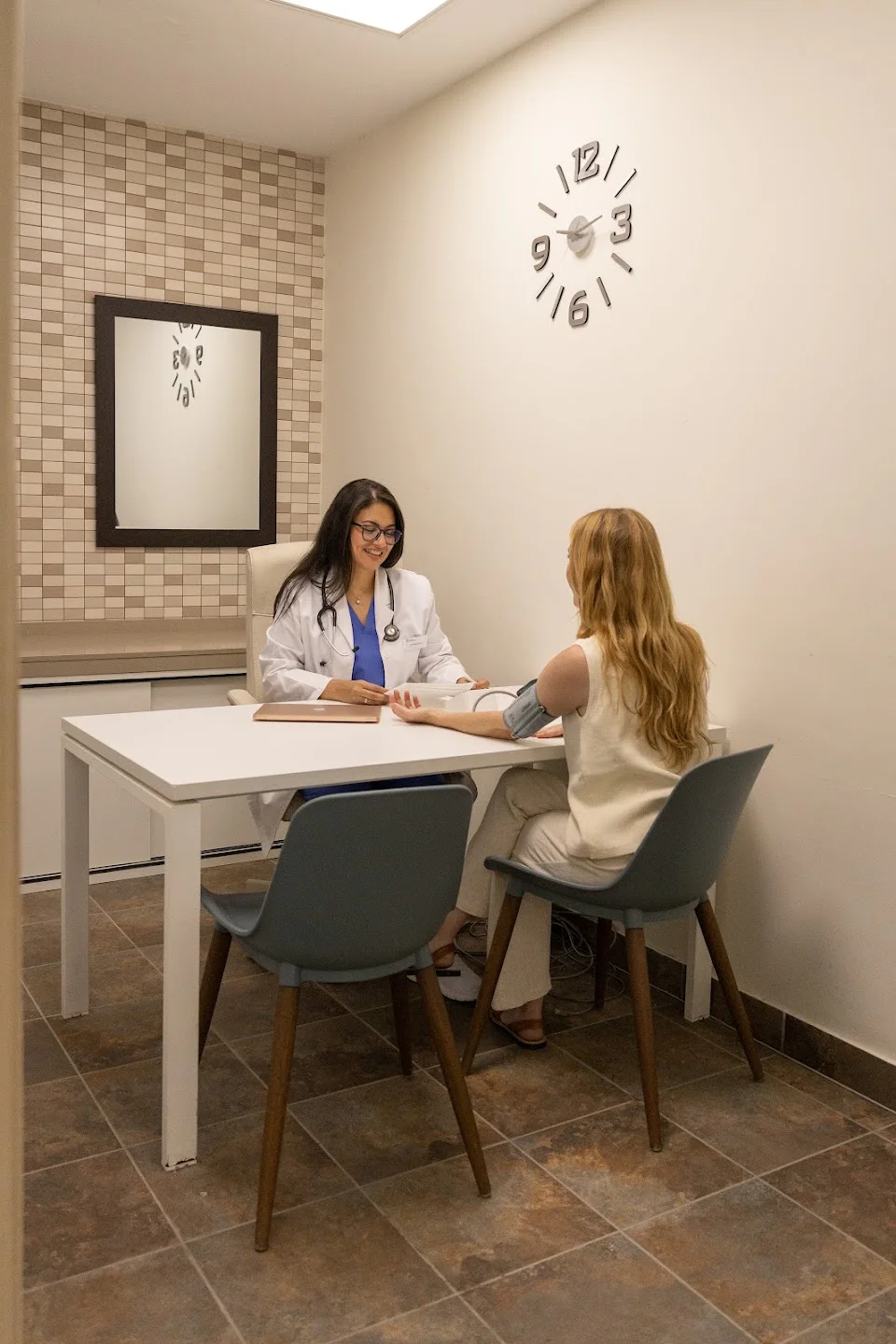
From ‘I Cannot Keep Going’ to Returning With a Plan: A Progevita Experience
She arrived exhausted by a life that never seemed to pause. Days later, the same life was waiting, but she returned with more calm, a plan and a team behind her.
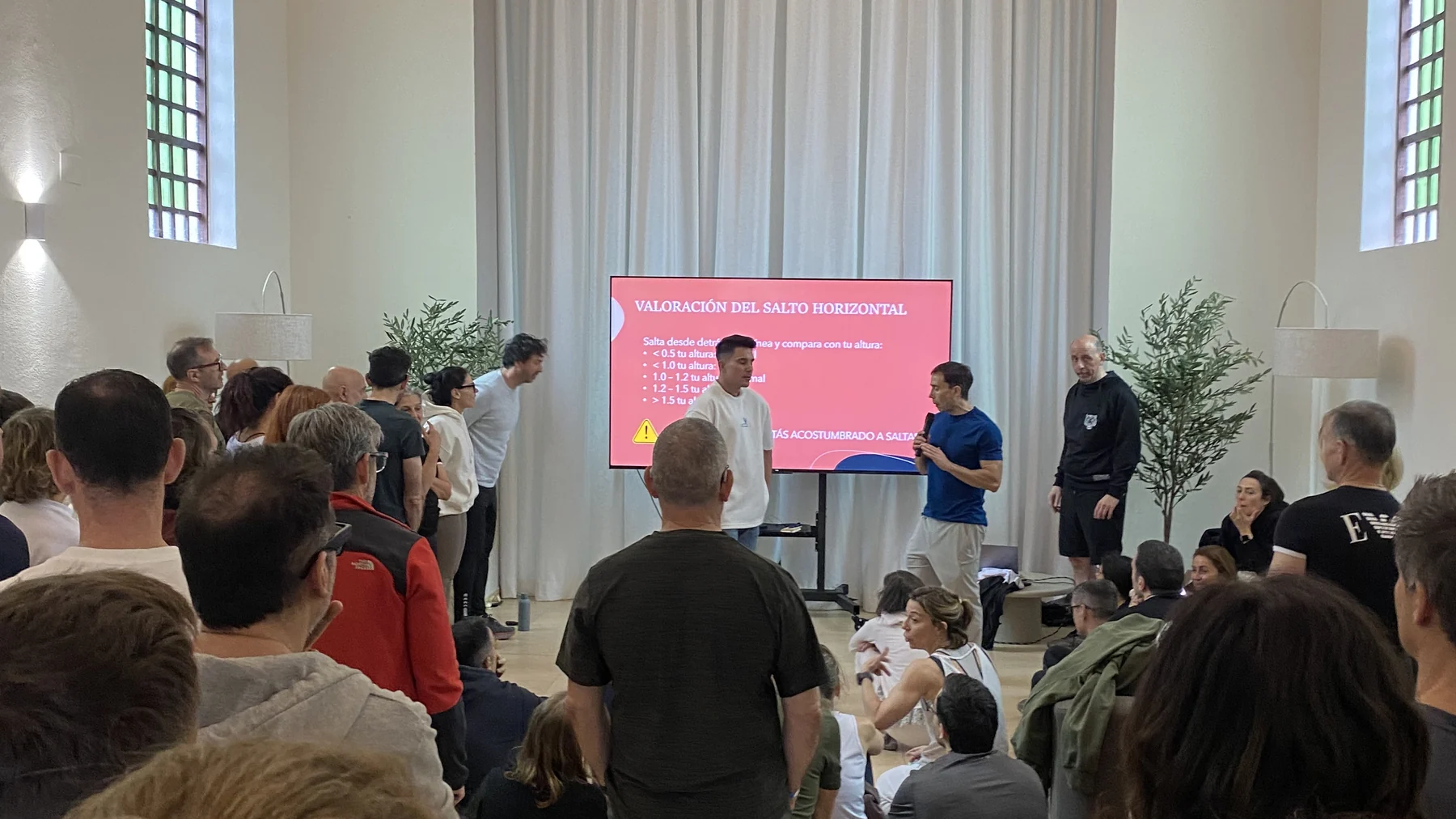
Inside Vive Más 2026 With Marcos Vázquez: An Honest Event Recap
From 5 to 8 March, Cofrentes hosted four days of talks, movement and community. Here is what happened, and what a health retreat cannot prove.
Menopause Joint Pain: Tendons, a Stiff Shoulder and Red Flags
Pain can overlap with menopause without always being hormonal. How to separate patterns, adapt load and recognize a possible frozen shoulder.
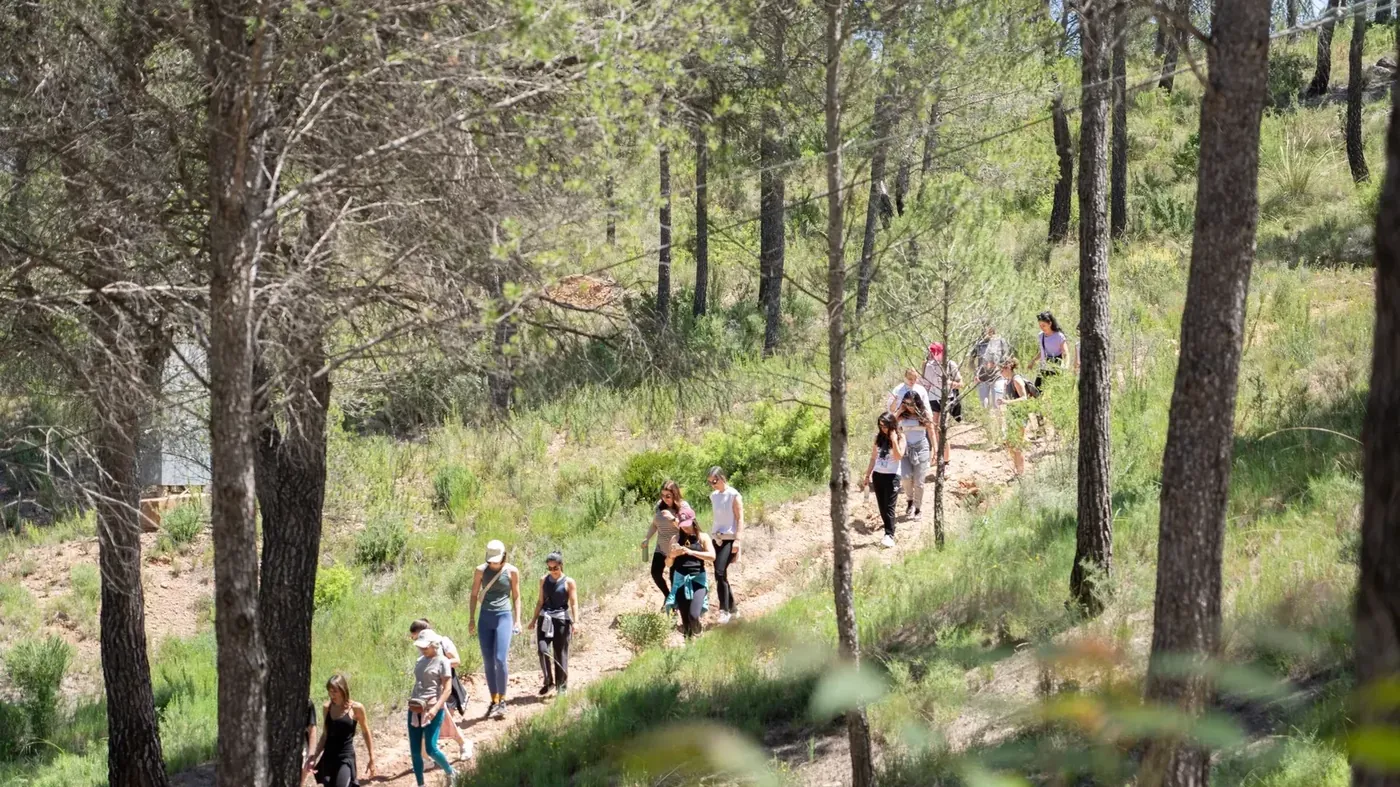
Forest Bathing and Stress: Possible Benefits, Limits and a Simple Practice
Nature may offer a useful pause, but it is not a cure for anxiety. What studies show, what they cannot prove and how to try it without creating another obligation.