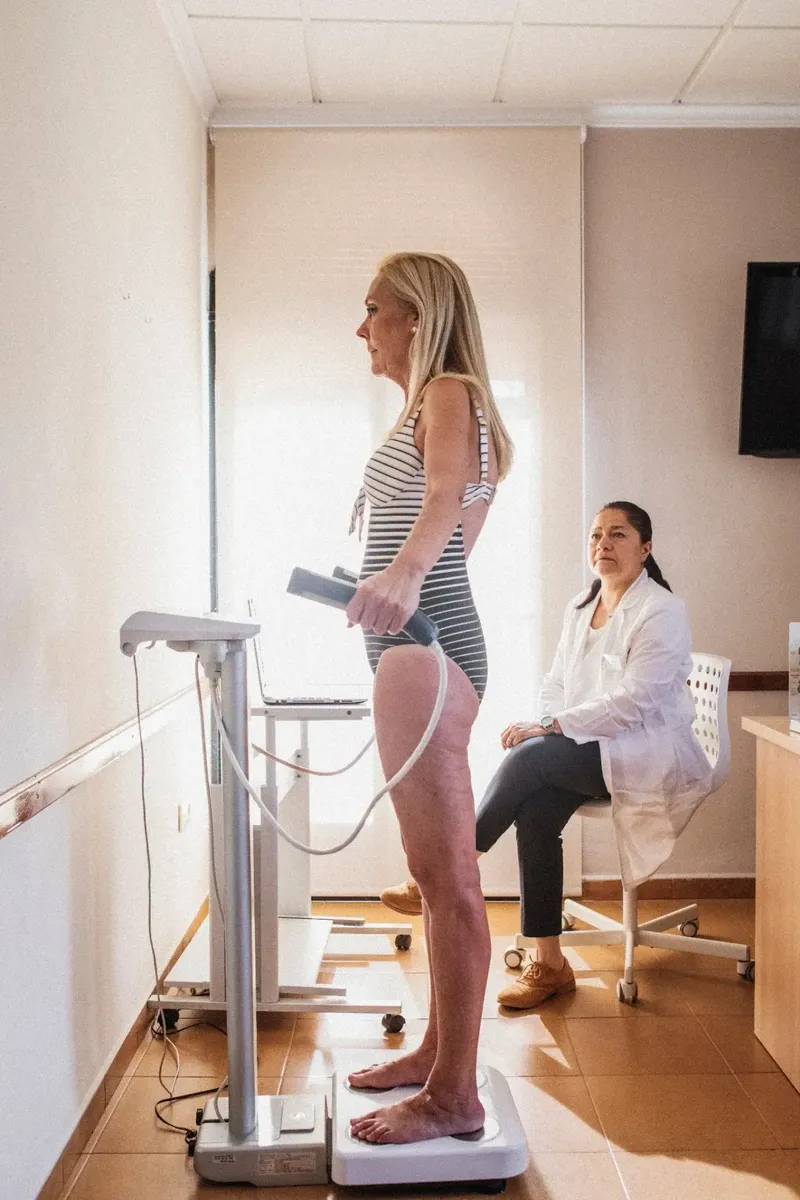
The report looks simple: “your biological age is 47”. Reality is more nuanced. Learn what each clock measures, what can shift the number and when it adds value.
A report can deliver a striking number: “your biological age is 47”. Before celebrating or worrying, it needs context. An epigenetic clock does not reveal a hidden age, diagnose disease or know how long you will live. It is an algorithm that summarises DNA methylation patterns according to the question it was trained to answer.
That does not make it useless. These clocks have opened a fascinating window into ageing research and population trajectories. Trouble starts when a statistical association becomes a personal verdict or a reason to sell treatment.
For a broader comparison of testing options, start with our guide to biological age and how it is measured. Here we tackle a narrower task: what each epigenetic clock measures, why two results may disagree and what to ask before paying for one.
Evidence review: 29 August 2026. We checked the original models, comparison studies and research on individual utility and reproducibility. This is an editorial review, not an independent clinical validation of any company's test.
The essentials in one minute
- First-generation clocks such as Horvath were trained to estimate chronological age, not total damage across the body.
- PhenoAge and GrimAge include health and risk-related signals, but they are neither diagnoses nor personal countdowns.
- DunedinPACE approximates a pace of ageing derived from a cohort. It is not a real-time speedometer.
- Two clocks may disagree because they answer different questions and use different technical processes.
- No universal cut-off turns a 3, 5 or 10-year difference into “normal”, “optimal” or “dangerous”.
- A personal test adds value only when its result can change a safe, predefined decision.
What an epigenetic clock is, without the hype
DNA methylation is a chemical mark found at specific positions in the genome, many of them called CpG sites. Some patterns change with age. A machine-learning model can identify combinations of those changes and turn them into an estimate.
The 2013 Horvath clock used more than 8,000 samples from 51 tissues and cell types. It selected 353 CpG sites to estimate chronological age across tissues. Its strong correlation with years lived demonstrated a reproducible biological signal, but correlation with the calendar is not the same as measuring health, mortality or “total cellular damage”.
Later models were trained on different targets. That evolution explains much of today's confusion: they are all called clocks, even though they do not all try to tell the same time.
Horvath, PhenoAge, GrimAge and DunedinPACE measure different things
| Model | Training target | Where it helps | What it does not mean |
|---|---|---|---|
| Horvath 2013 | Chronological age across multiple tissues | Research, cross-tissue comparison and historical reference | It does not capture clinical risk or current pace by itself |
| DNAm PhenoAge | An age phenotype built from age and clinical biomarkers | Studying associations with health, function and mortality in cohorts | It is not a diagnosis or a replacement for those clinical biomarkers |
| GrimAge / GrimAge2 | Proxies for plasma proteins, smoking exposure and time-related risk | Research into mortality, coronary heart disease and cancer risk | It does not estimate your death date or remaining years |
| DunedinPACE | Decline observed over two decades in 19 organ-system indicators | Researching differences in pace of ageing and group-level change | It does not monitor treatment in real time or prescribe what to do |
GrimAge needs a special clarification. Its name invites drama, but the model combines surrogates for seven plasma proteins and lifetime smoking exposure. In cohorts, GrimAge acceleration was associated with time to death, coronary heart disease and cancer. That is valuable population research. It does not turn one person's result into a countdown.
DunedinPACE is not a literal stopwatch either. It originated from longitudinal changes in 19 organ-system indicators observed over about twenty years, then distilled them into a blood DNA-methylation measure. For more on its scale and limits, read our dedicated guide to pace of ageing and DunedinPACE.
Population promise does not guarantee personal utility
A 2025 analysis compared 14 clocks in 18,859 people against 174 incident diseases and mortality over ten years. Second and third-generation clocks performed better than first-generation models. Even so, when added to models with traditional risk factors, classification improved by more than one percentage point in only 32 of the evaluated associations.
The balanced reading is simple: the scientific signal is real and newer models may improve risk research. Yet a marker can work across thousands of people and remain indecisive for one person. A critical 2025 review concluded that clock construction, tissue, sample collection, preprocessing, population and methylation dynamics currently limit individual decision-making. That is the authors' argued position, not a universal ban, and it belongs in the conversation before purchase.
Why two tests can give you different ages
Imagine one clock says 44, another 51 and your passport says 48. A laboratory error is not the only explanation. Several differences may be operating at once:
- Different target: estimating chronological years is not the same as approximating risk or pace.
- Different tissue: blood, saliva and buccal samples do not carry exactly the same methylation signal.
- Cell composition: blood contains varying proportions of cell types, which can influence the calculation.
- Clock version: Horvath, PC-Horvath, GrimAge, GrimAge2 and other implementations are not interchangeable.
- Laboratory and platform: extraction, storage, arrays, sequencing and quality control matter.
- Preprocessing: normalisation, missing-site imputation and implementation code can shift the result.
- Reference population: age, ancestry, environment and health of the training cohort shape the comparison.
Using 100 technical replicates, a 2025 study found that principal-component versions were more reproducible than several original clocks and that platform choice could change replicate differences. The researchers were affiliated with Tally Health, relevant context when weighing the work, but the technical lesson supports a basic rule: do not treat results from different methods as interchangeable.
How to read a report without letting the number take over
- Find the exact name and version. “Epigenetic age” is not enough. The report should identify the clock, version, tissue and platform.
- Ask what the number represents. It may be raw age, a simple difference, an age-adjusted residual, a percentile or a pace index. These are not synonyms.
- Ask about uncertainty. One decimal place can imply precision the method does not have. Request technical variation, quality controls and the expected interval.
- Check the reference. Ask which population your result is compared with and whether the model was validated in people like you.
- Separate association from diagnosis. “Associated with higher risk in a cohort” does not mean “you have this disease”.
- Define the decision first. If you will do the same thing whatever the result, the test probably adds curiosity rather than utility.
| What you see | Cautious interpretation | Reasonable next step |
|---|---|---|
| Estimated age close to or far from chronological age | There is no universal year cut-off with clinical meaning | Check model, reference and uncertainty before interpreting |
| High age acceleration | It may reflect a population association, not a specific disease | Prioritise medical history and validated risk factors |
| Change between two measurements | It may combine biological change and technical variation | Compare only the same clock, tissue, laboratory and platform |
| Discordant clocks | This is expected when their targets differ | Do not average the figures; interpret each model by purpose |
Seven questions to ask before paying for a test
- Which clock and version does it calculate?
- Which sample type does it use, and why?
- In which population was it trained and validated?
- What technical precision and replicate variation does it report?
- Does it provide raw age, adjusted acceleration, a percentile or several outputs?
- Can it be repeated with the same method and compared validly?
- Which safe decision will the result change?
If the answer to the last question is “none”, that is fine. Choosing not to measure can also be a good decision.
Can habits move a clock?
The good news is that exercise, a sustainable diet, sleep, not smoking and cardiometabolic risk control remain worthwhile even if no algorithm gives you a medal. The narrower scientific question is whether an intervention also moves an epigenetic clock.
A 2021 pilot trial enrolled 43 healthy men aged 50 to 72 for eight weeks. The programme combined diet, sleep, exercise, relaxation, probiotics and phytonutrients. The between-group difference on a saliva Horvath clock was 3.23 years, but change from baseline within the intervention group was smaller and did not reach conventional statistical significance. The sample was small, male only and the programme bundled many components. Two authors also used the intervention in clinical practice, were named on a patent application and received earnings from educational products; Metagenics provided an unrestricted grant.
DO-HEALTH offers a different scale. In a post hoc analysis of 777 older adults followed for three years, omega-3 produced small changes in PhenoAge, GrimAge2 and DunedinPACE; combining it with vitamin D and exercise had an additive effect on PhenoAge. Standardised effect sizes corresponded to roughly 2.9-3.8 months, and clocks did not respond consistently. Read our closer look at omega-3, vitamin D, exercise and epigenetic clocks.
These studies justify further research. They do not show that reducing one clock by three years rejuvenates every organ, prevents clinical events or extends life.
Do not treat the clock
An isolated epigenetic result should not prescribe intravenous NAD, senolytics, plasmapheresis, ozone therapy, thermotherapy, fasting or a supplement stack. Nor should it displace established clinical measures such as blood pressure, lipids, glucose, kidney function, body composition, cardiorespiratory fitness, sleep, smoking status or symptoms.
The practical priority remains almost boringly effective: identify and treat real risk, move, build or preserve strength, sleep, eat sustainably, avoid smoking and use medical follow-up when appropriate. To decide what deserves tracking, see our guide to longevity biomarkers.
How we frame the question in a Progevita assessment
If an epigenetic clock is being considered, the useful conversation starts before sample collection: which model is it, what question does it answer and which decision might it change? The result should sit beside medical history, symptoms and validated measurements. A striking number does not justify treatment on its own.
It is also worth accepting an answer that is less commercial but more honest: perhaps you do not need the test, perhaps it cannot be compared with an earlier one, or perhaps acting on a known risk matters more than waiting for a clock to move.
Frequently asked questions about epigenetic clocks
What is an epigenetic clock?
It is an algorithm that estimates an age-related variable from DNA methylation patterns. Depending on its training target, it may approximate chronological age, a risk-related phenotype or a cohort-derived pace of ageing.
Is epigenetic age my real biological age?
There is no single real biological age that one test can reveal. The result is an estimate from a particular model, tissue and laboratory process. It is a research signal, not a second identity document.
Which epigenetic clock is best?
It depends on the question. Horvath was trained to estimate chronological age; PhenoAge and GrimAge aim to capture health and mortality-related risk; DunedinPACE approximates pace of ageing. None is best for every clinical decision.
Why can two epigenetic clocks give different results?
They use different CpG sites, targets, tissues, populations and calculations. Sample collection and storage, platform, preprocessing and cell composition also matter. Disagreement does not automatically mean that one result is wrong.
What does a high epigenetic age mean?
It may mean the result is above the model's reference, and some clocks are associated with higher risk in cohorts. It does not diagnose disease or quantify how long you will live. First check the method, uncertainty and validated clinical risk factors.
Can an epigenetic clock be reversed?
Some trials have observed changes, but studies are few, effects are often modest and clocks do not always agree. Moving a number does not prove whole-body rejuvenation or clinical benefit.
How often should the test be repeated?
There is no universally validated interval. Repeating it only makes sense when there is a predefined question, the same clock, tissue, laboratory and platform are used, and the expected change exceeds technical variation. Curiosity alone may add more noise than information.
Can an epigenetic clock select longevity treatments?
Not on its own. It should not be used to prescribe intravenous NAD, senolytics, plasmapheresis, ozone, supplements or another intervention. Medical decisions should rest on symptoms, diagnosis, validated risk, preferences and clinical evidence.
References
- Horvath S. DNA methylation age of human tissues and cell types. 2013. PMID: 24138928.
- Levine ME et al. An epigenetic biomarker of aging for lifespan and healthspan. 2018. PMID: 29676998.
- Lu AT et al. DNA methylation GrimAge strongly predicts lifespan and healthspan. 2019. PMID: 30669119.
- Belsky DW et al. DunedinPACE, a DNA methylation biomarker of the pace of aging. 2022. PMID: 35029144.
- Fitzgerald KN et al. Potential reversal of epigenetic age using a diet and lifestyle intervention: a pilot randomized clinical trial. 2021. PMID: 33844651.
- Bischoff-Ferrari HA et al. Individual and additive effects of vitamin D, omega-3 and exercise on DNA methylation clocks in DO-HEALTH. 2025. PMID: 39900648.
- Apsley AT et al. From population science to the clinic? Limits of epigenetic clocks as personal biomarkers. 2025. PMID: 41403206.
- Mavrommatis C et al. An unbiased comparison of 14 epigenetic clocks in relation to 174 incident disease outcomes. 2025. PMID: 41402269.
- Shokhirev MN, Johnson AA. Analysis of variability and epigenetic age prediction across microarray and methylation sequencing technologies. 2025. PMID: 40784975.
This article is educational and does not replace individual medical assessment. Epigenetic clocks are not validated as standalone diagnostic tools or as the sole basis for prescribing treatment.
Would measuring it help, or simply add another number? In a pre-consultation with the medical team, we can organise that question before ordering tests. Sometimes measuring is sensible; sometimes starting with something more useful is better.
Related articles
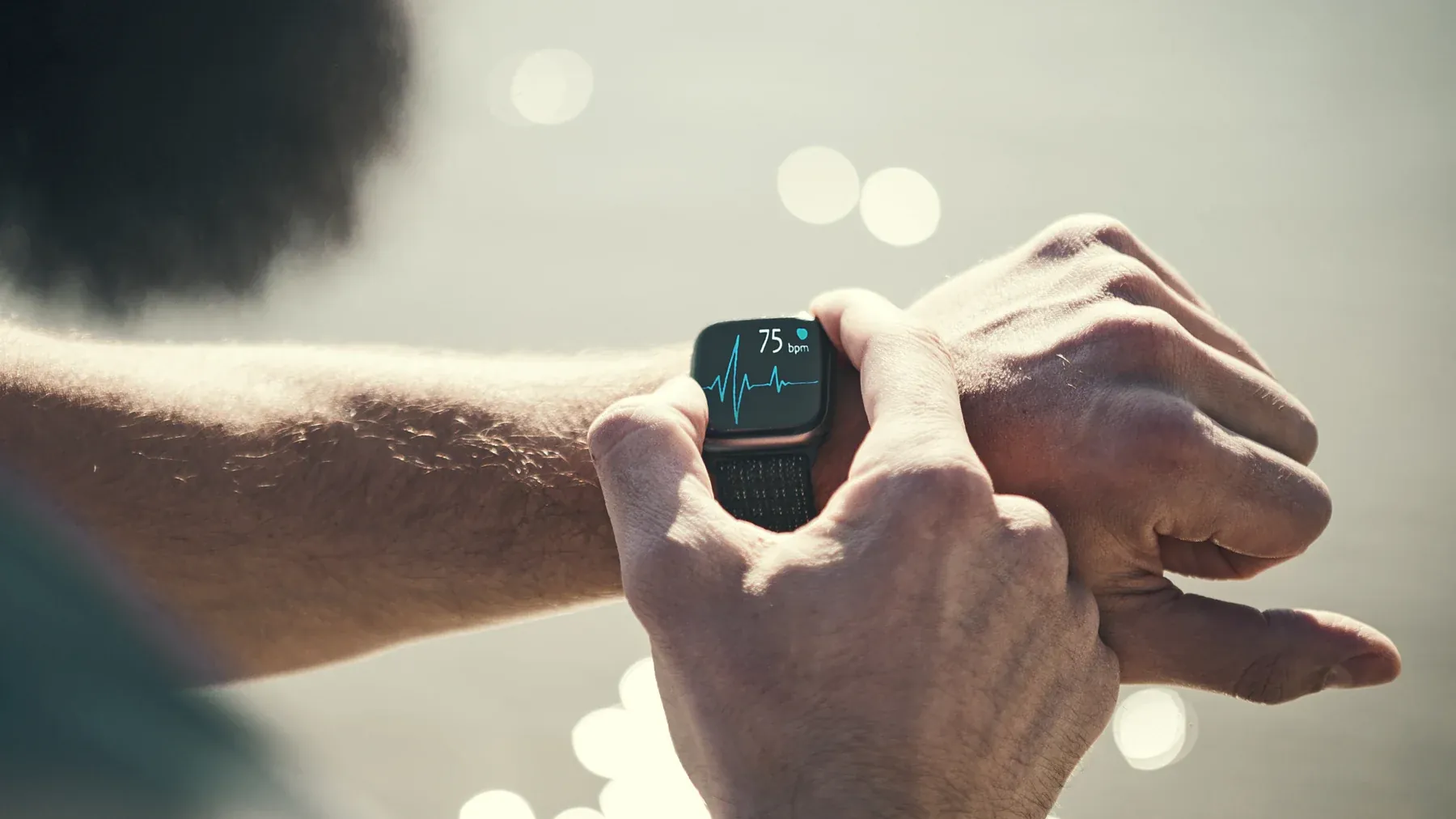
DunedinPACE and aging speed: how to read a 0.57x result
A 0.57x result does not mean living almost twice as long. Here is what DunedinPACE measures, why it can change and when repeating it may be useful.

Biological Age Tests: What They Measure and How to Choose
A biological age test does not reveal your true age. Learn what epigenetic clocks measure, why results disagree and what to ask before paying.
Longevity Biomarkers: What to Track Without Turning Your Body Into a Spreadsheet
A practical guide to choosing measurements that change decisions, understanding their limits and avoiding huge panels that only add noise.

Hyperbaric Oxygen: Evidence-Based Uses, Risks and Limits
Hyperbaric oxygen treats specific medical problems, but it has not been shown to extend life. We separate accepted indications, anti-aging studies and marketing.