How we designed a retreat for women leaders with The Impact Project: what happened, what our team observed and which outcomes we did not measure.
A first-party account
In 2025, we co-created a retreat with The Impact Project for a group of women leaders. The stay combined conversations about purpose and professional life, health education, movement, shared meals and unstructured time in Cofrentes.
This is our account as the host team. We did not run a before-and-after assessment, measure workplace performance or collect a shared indicator of stress, energy or decision quality. We can describe the format and our observations, but not present the retreat as a proven transformation tool.
The question that guided the design
We did not want to add a wellbeing block to an already packed executive agenda. The more honest question was: what conversations become possible when a group steps outside its usual context for a few days and has time to place work, health and purpose on the same map?
Health may shape how someone experiences a working day, but this retreat does not prove that one session on sleep, nutrition or breathwork improves leadership. We treated these topics as education and personal reflection. Any clinical need required privacy and individual assessment.
How we built the schedule
- Purpose and professional legacy: Esther Blázquez guided conversations about priorities, identity and the next stage.
- Health and longevity: Clara Fernández, Dr María Lorena Vela, Dr Miguel Ángel Fernández and Dr Omar Kourani joined educational sessions on women's health, sleep, metabolism and personalised care.
- Movement and breathwork: the schedule included physical activity, guided breathing and a voluntary cold-water immersion.
- Nutrition: meals also created room to discuss realistic decisions, preferences and the limits of general advice.
- Pauses: we kept time for walking, talking and not having to produce an answer every moment.
Each block had a different purpose. A medical session was not coaching; a purpose exercise was not therapy; cold water was not a stress treatment. Separating these categories made the program less spectacular on paper and clearer for the people taking part.
One scene captures the retreat
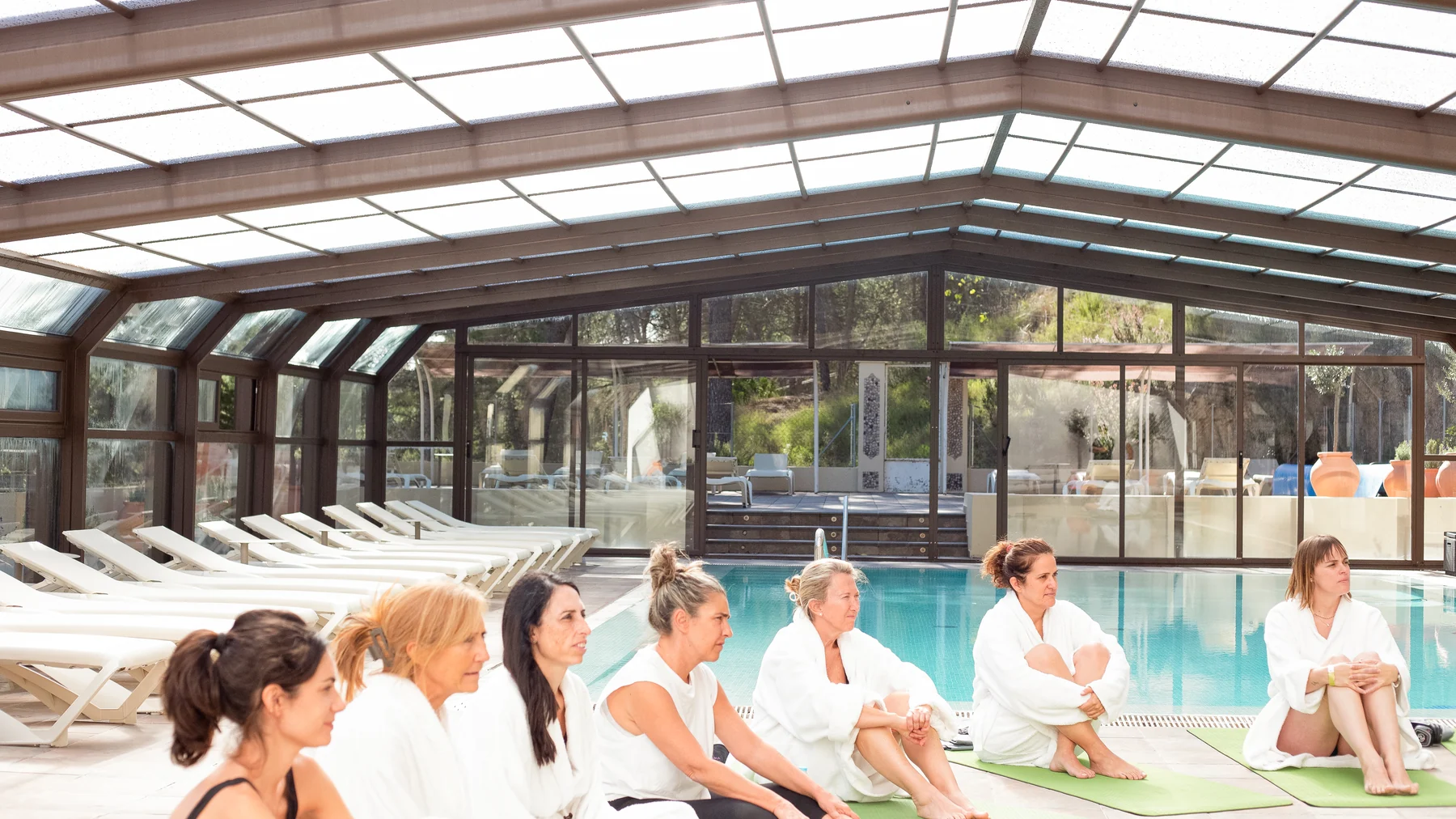
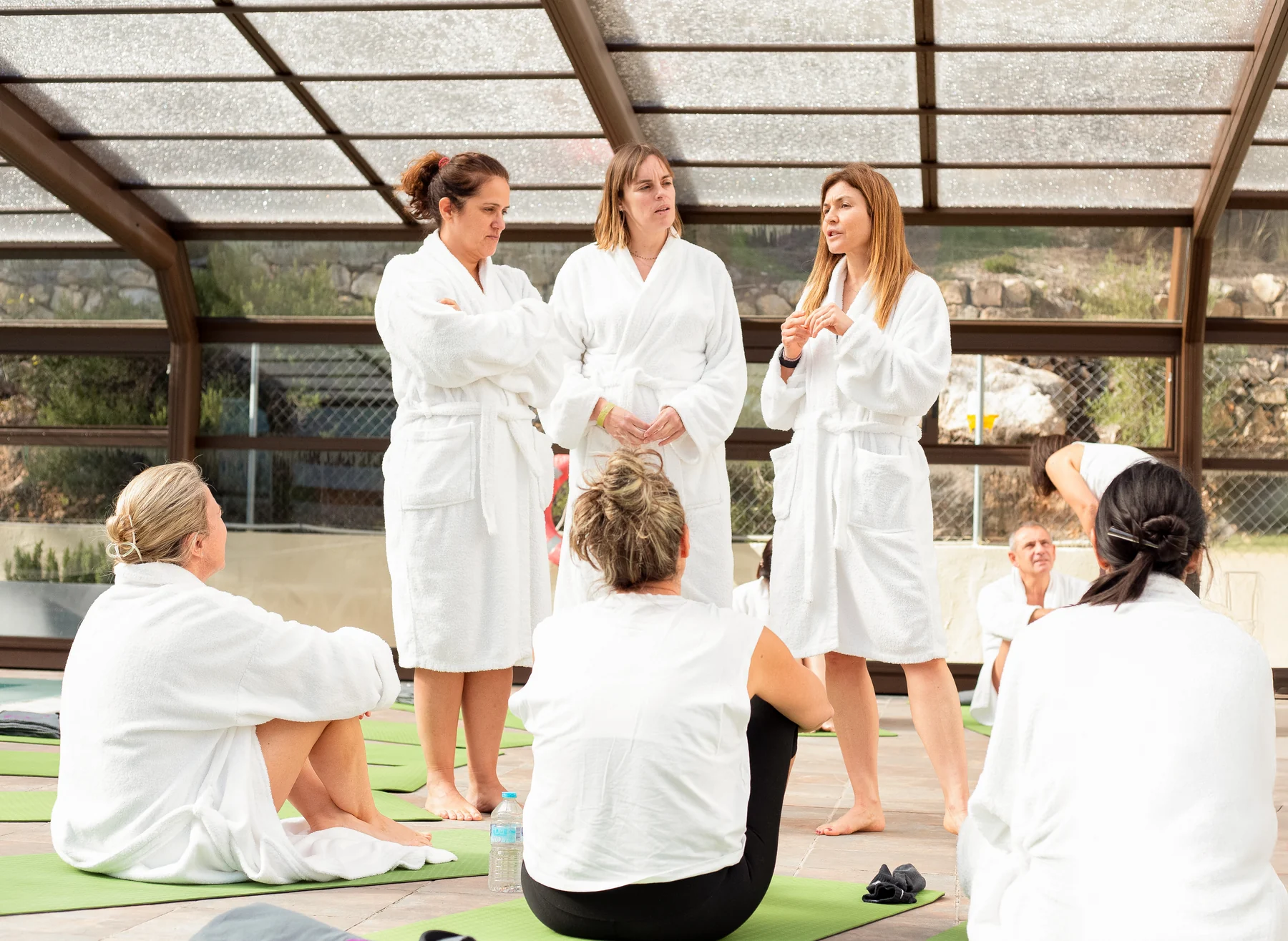
One photograph shows a simple moment: several participants, still in bathrobes, sit beside the pool while three others speak standing up. It does not look like a boardroom, which was part of the point. For us, the setting offered context and time; we do not attribute a therapeutic effect to it.
What we did not measure
We did not measure whether the retreat reduced burnout, improved decisions, raised performance or changed company culture. Nor did we collect common clinical outcomes. Demonstrating any of these effects would require agreed metrics, a baseline and follow-up.
The women's health education responded to questions relevant to the group, but it does not replace medical care. For more context on this workplace conversation, read our guide to menopause, information and work.
Three lessons for future team retreats
- Define a question before a list of activities. The purpose decides what belongs in the schedule and what does not.
- Protect choice and privacy. A company can facilitate education and habits; it should not turn individual clinical information into workplace assessment.
- Design the return. A useful idea needs an owner, context and a review date if it is to survive the following Monday.
We now apply these criteria to our corporate formats and Leadership Path. The format changes with the team because a serious corporate experience should not begin with a fixed catalogue.
About this account
This article was published on 21 November 2025 from Progevita's program and photographic record. We substantially reviewed it on 29 August 2026 to remove an unattributed quote, separate observations from outcomes and delete corporate or clinical promises that were not measured.
Collaboration case
Leadership, health and time for honest conversation
The Impact Project and Progevita combined leadership and health sessions, movement, meals and pauses in a retreat for women leaders.
Want to bring your team?
We design the purpose, schedule and clinical boundaries with each organisation, based on its context and people.
Design a corporate retreatContext
Educational sessions connected sleep, nutrition, women's health and professional demands.
Conversation
Group activities opened questions about purpose, habits and boundaries.
Continuity
The closing session invited next steps without presenting the retreat as a measured transformation.
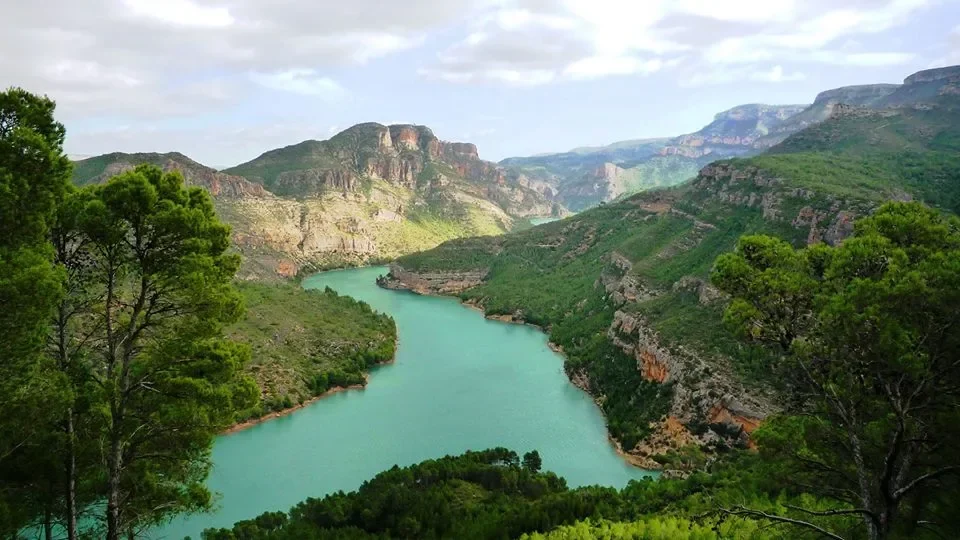
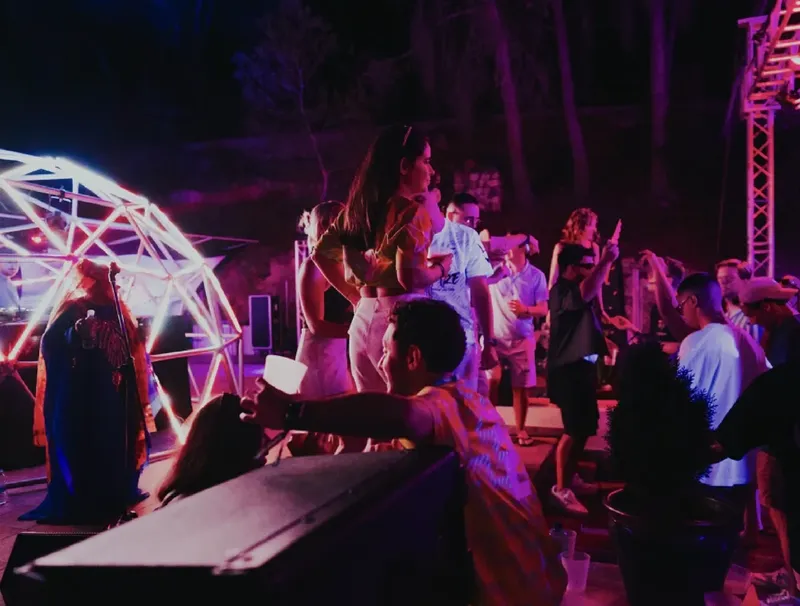
Integrated gallery showing the real retreat experience.
Related articles
Inside our retreat with Elena Devís: science, calm and community
An honest account of the retreat we shared with Elena Devís and 26 participants: what we did, what our team learned and what we cannot claim about the outcomes.
Grip Strength Test: What a Hand Dynamometer Measures and How to Read Your Result
Grip strength is a quick measure of muscular function, not a longevity clock. Here is how to test it, interpret clinical cut-offs and decide when a result needs attention.
Insulin Resistance: What It Means, How It Is Measured and What Actually Helps
Insulin resistance is not diagnosed from fatigue or one HOMA-IR result. This guide explains which tests change decisions and how to build a measurable plan.
What Semen Can Tell You About a Man's Health
A semen analysis may open questions about testicular health, hormones, medicines and exposures. It is neither a fertility verdict nor a longevity test.