
An honest account of the retreat we shared with Elena Devís and 26 participants: what we did, what our team learned and what we cannot claim about the outcomes.
An account of what happened, not a promise of results
In 2025, Progevita welcomed Elena Devís, founder of Positivamente Presente, and a group of 26 people. Over several days, we shared individual assessments, educational sessions, movement, mindfulness, meals and time outdoors.
We are telling the story because the collaboration mattered to our team and because it shows how a retreat changes when an established community arrives together. It was not a clinical trial, and we did not measure a common outcome for all 26 people. This is therefore an account of design and group life, not of transformations we cannot demonstrate.
What we wanted to bring together
The starting point was our inflammaging program, with medical assessment and individual decisions. Elena added attention and breathwork practices from her approach to presence. These were two distinct layers: the clinical work framed health questions; mindfulness created pauses and attention within the schedule. We did not present one as a substitute for the other.
That distinction matters. A clinical conversation can help determine what a person may or may not need. A shared practice may feel pleasant or meaningful. Neither allows us to claim, on its own, that the retreat reduced inflammation, regulated the nervous system or improved every participant's health.
How the days unfolded
The schedule alternated individual and group time. These were its main components:
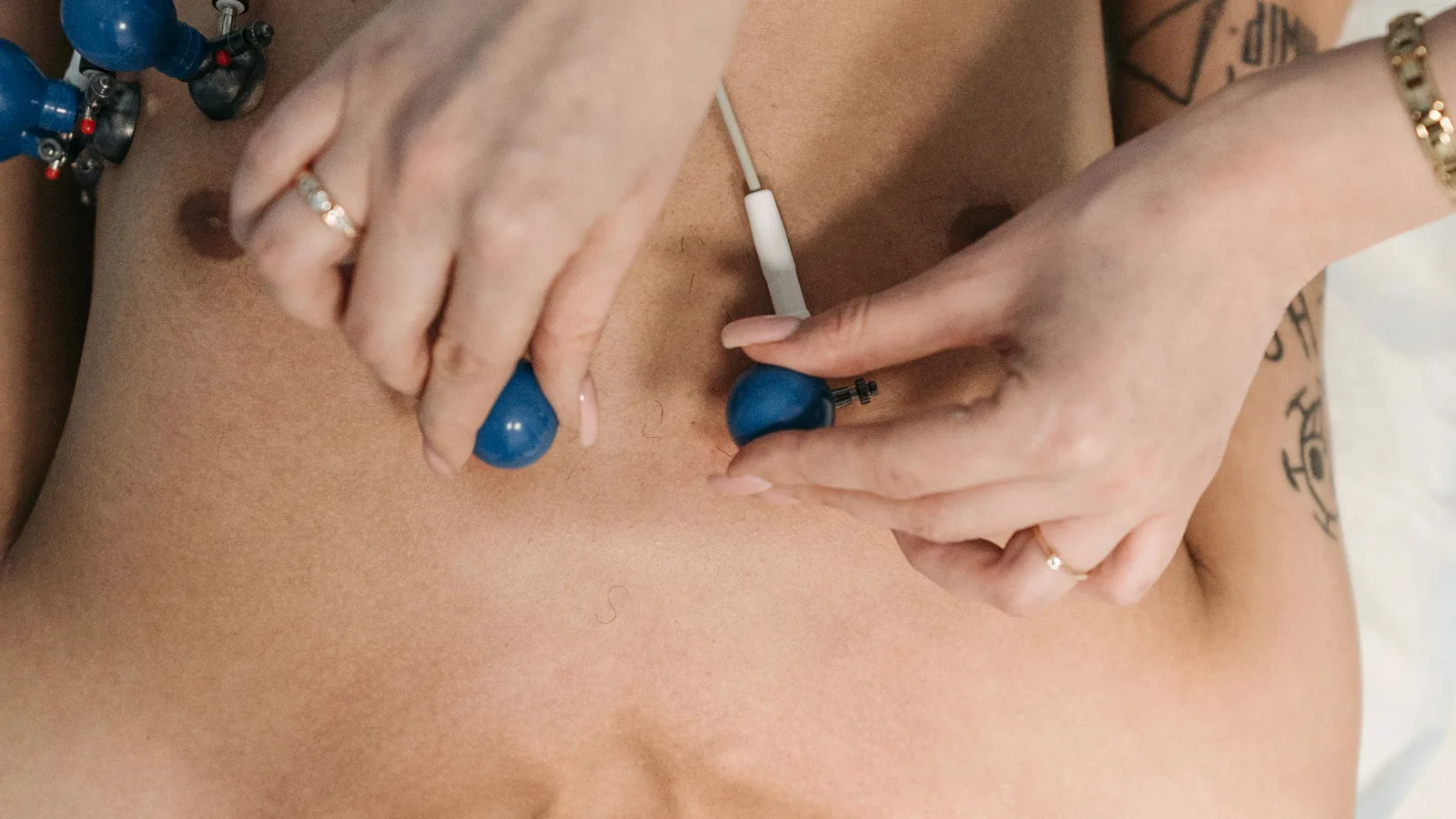
- Initial assessments: individual meetings with the medical team and measurements such as bioimpedance, interpreted in each person's context.
- Meditation and breathwork: sessions led by Elena to slow the pace of the schedule and notice physical sensations.
- Movement: functional training, walks and sunrise yoga adapted to a group format.
- Shared meals: Mediterranean-inspired menus and practical conversations about nutrition.
- Education: conversations about biomarkers, habits and longevity, with room for questions.
- Rest and surroundings: free time, spa, massage, cold-water sessions and nature between scheduled activities.
Some medical interventions were considered only when there was an individual indication. Sharing a retreat does not mean sharing a diagnosis, treatment or clinical goal.
Three lessons our team took away
- Pace needs to be designed. A packed schedule can look impressive on paper and feel exhausting in practice. Transitions and unscripted time helped the group arrive at each block with more attention.
- Translation beats information overload. Biomarkers generate questions. Our job was to explain what they meant, where their limits were and which conversation needed to continue individually.
- Community changes the conversation. Meals, walks and breaks made room for everyday questions. That social layer was valuable, although it does not replace personal follow-up.
What this retreat does not demonstrate
We did not collect outcome data through a research protocol, control group or shared follow-up. We cannot attribute changes in inflammation, stress, sleep or vitality to the retreat, to Elena or to any single activity. Nor do we use one person's experience as a promise to the next.
Meditation, exercise, nutrition and medical treatments each have different evidence, indications and risks. Any clinical decision should depend on a person's history, tests, preferences and follow-up.
How we would design another collaboration today
We would repeat three decisions: agree on the community's goals in advance, protect genuine rest time and explain clearly which parts are education, which are experience and which require medical care. We would also define what will be measured and why from the outset, instead of turning every data point into a success story.
If you are considering a format for your team or community, explore our retreats for companies and partners. The conversation starts with the people and the purpose, not with filling a schedule.
About this account
This article was originally published on 5 June 2025 from Progevita's first-party event record. We substantially reviewed it on 29 August 2026 to localise the Spanish version, remove unsupported efficacy claims and distinguish event facts from our observations. It does not report individual outcomes or clinical testimonials.
Partner retreat
A shared experience, without inflated promises
How we combined clinical conversations, mindfulness, movement, rest and group life during the retreat with Elena Devís.
Want to co-create a retreat with Progevita?
We design the format, rhythm and clinical boundaries with each partner, based on what their community actually needs.
Discuss a collaborationPause
Meditation and breathwork created time for attention, without being presented as medical treatment.
Context
Measurements and clinical conversations helped frame individual questions, not promise outcomes.
Community
Living together opened conversations that an individual stay does not usually offer.
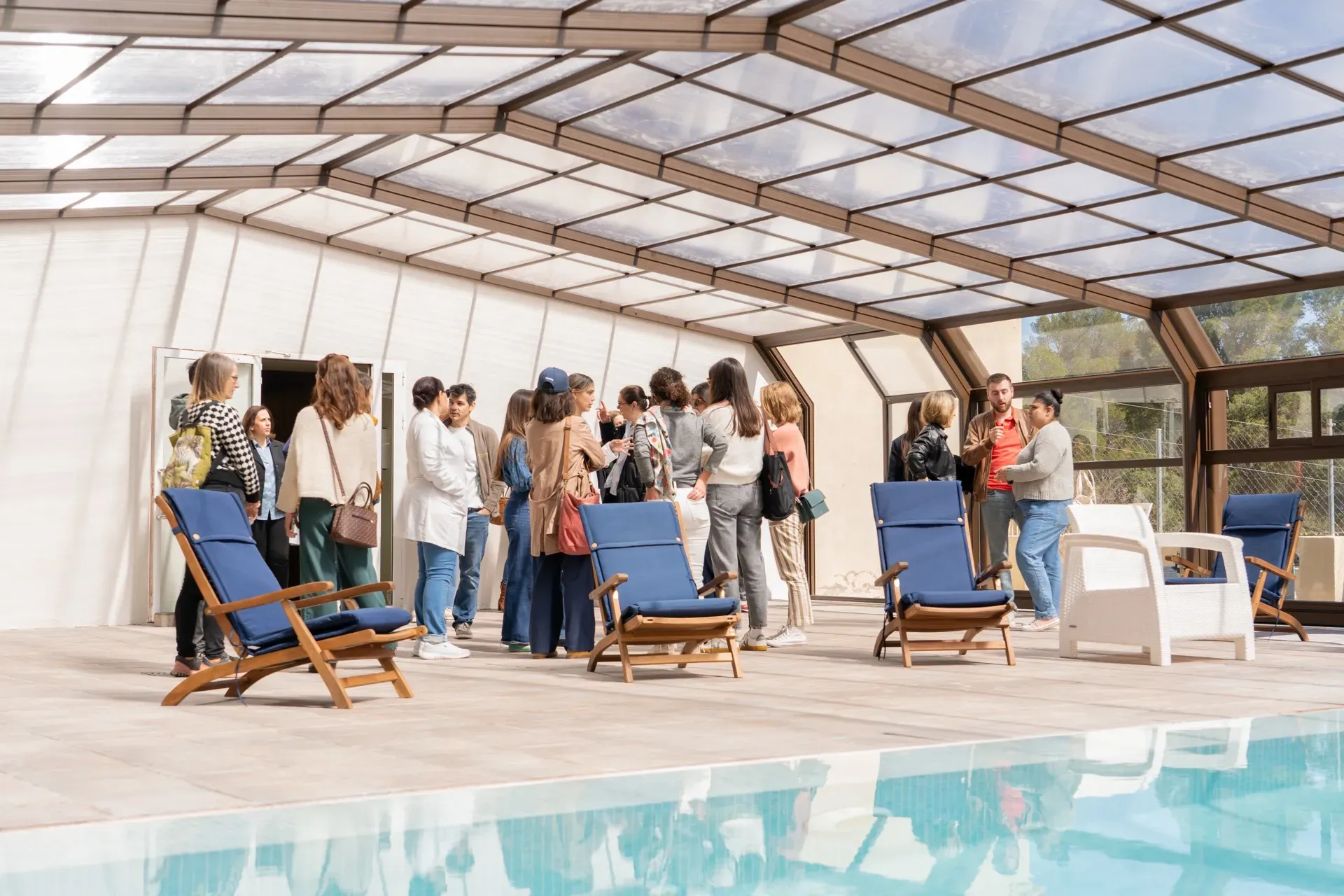
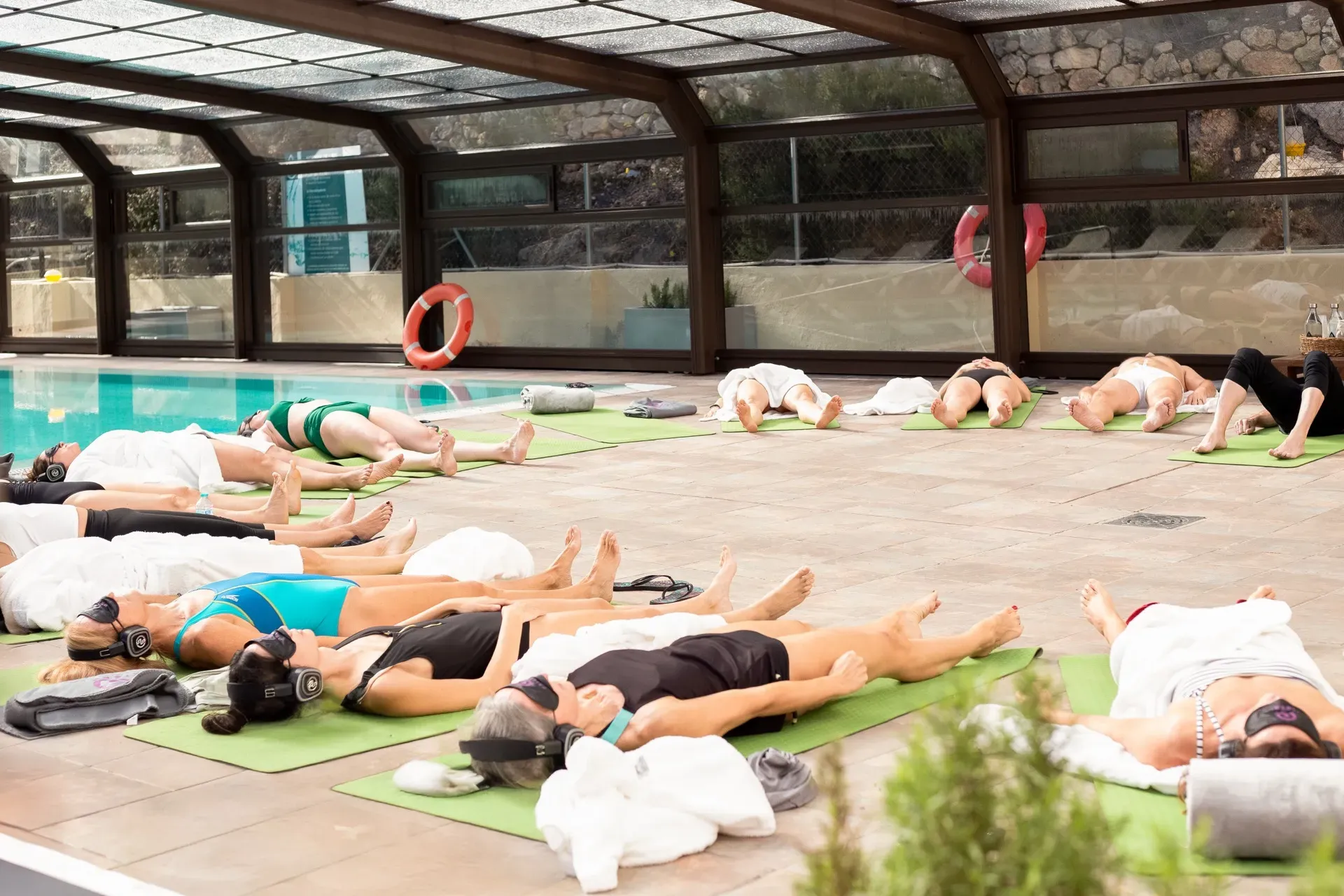

Integrated gallery showing the real retreat experience.
Related articles
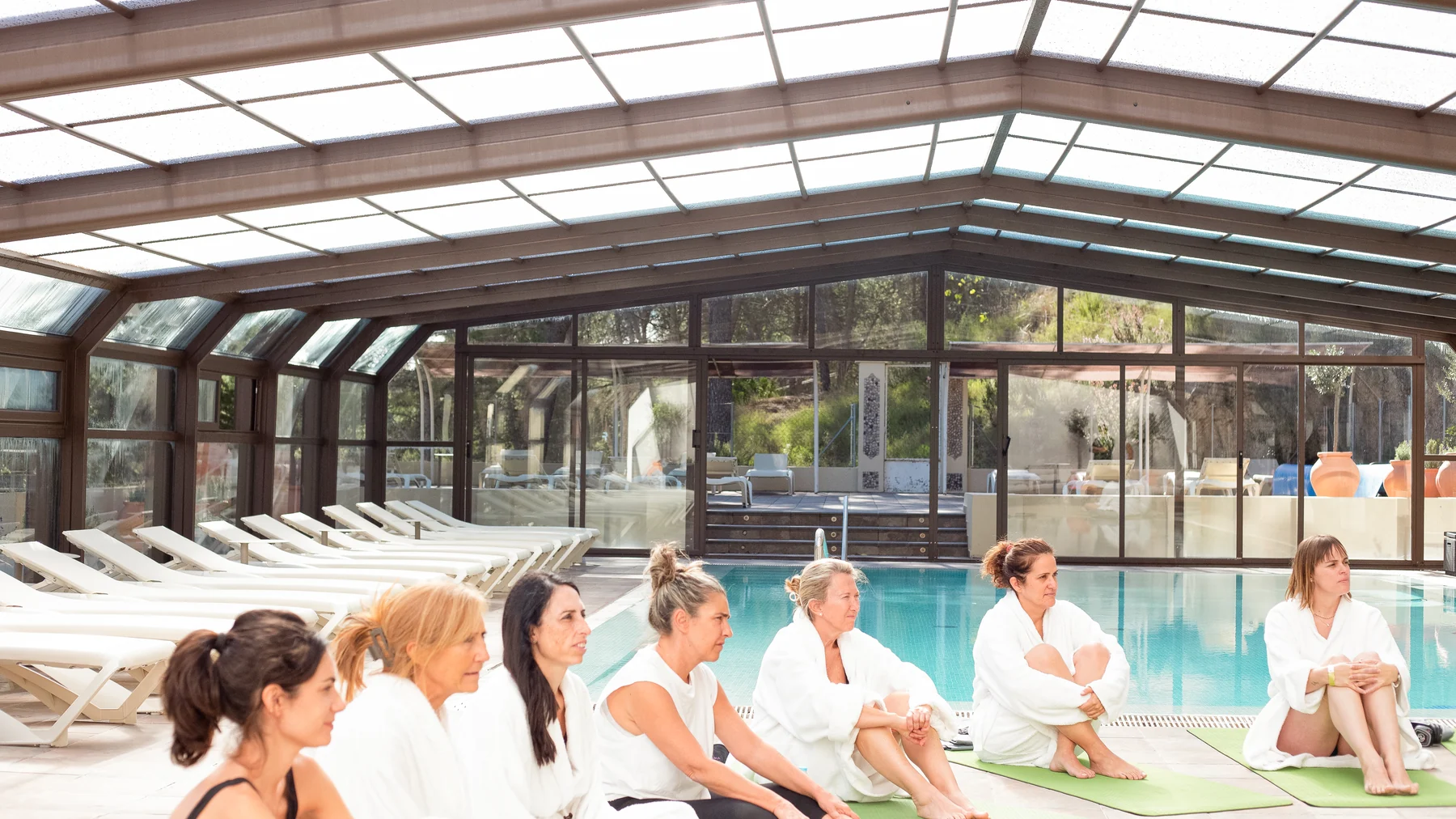
The Impact Project x Progevita: leadership, health and conversation
How we designed a retreat for women leaders with The Impact Project: what happened, what our team observed and which outcomes we did not measure.

Inflammaging: What It Is and How to Interpret Chronic Inflammation
It is not a disease diagnosed by one number. It is a scientific concept linking inflammation and age. Learn what can be measured, what it means and what genuinely helps.
uACR and eGFR: Two Tests That Reveal Hidden Kidney and Cardiovascular Risk
A normal creatinine does not rule out albuminuria. Learn how to read uACR and eGFR together, when to repeat them, and what a persistent result may change.
Silent Atherosclerosis in Young Adults: What the REACT Study Changes—and What It Does Not
REACT detected silent atherosclerosis in about 1 in 13 participants aged 18–29. The finding supports earlier prevention, not a coronary CT scan for everyone.